On this page +
How does construction affect cleaning?
How do manufacturer care instructions differ?
These examples were checked against the linked brand instructions on 2 November 2026. They are care guidance, not efficacy evidence or universal cleaning recipes.
| Product or material | Maker’s guidance | Where it stops applying |
|---|---|---|
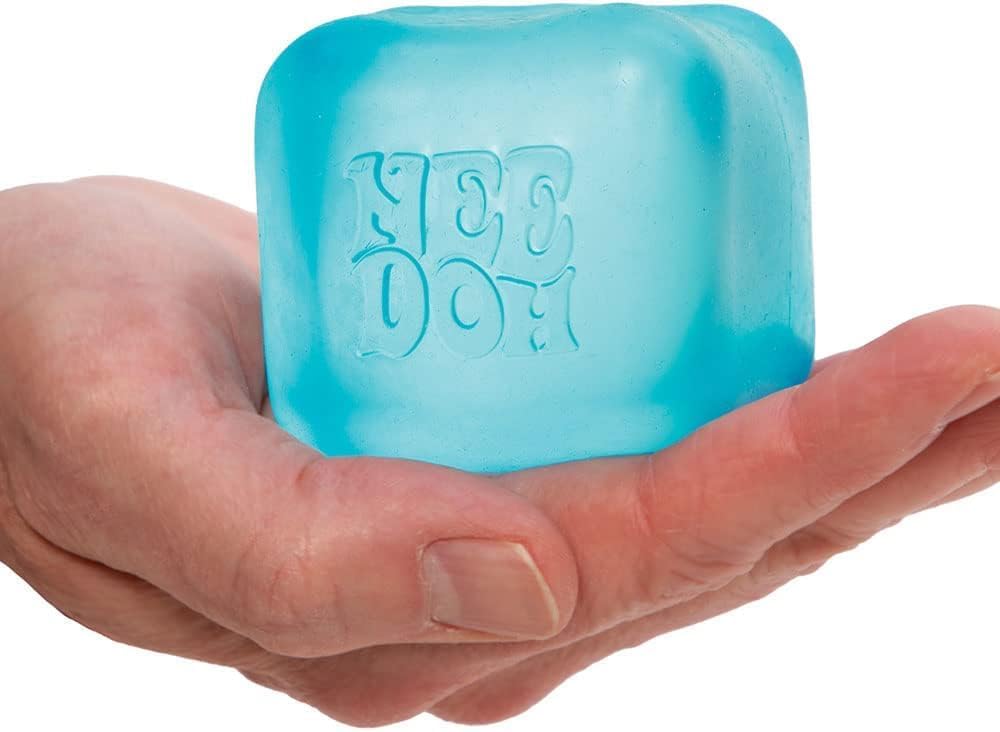
| Schylling NeeDoh | The official FAQ recommends gentle hand washing with mild soap and water, followed by air drying. | This is NeeDoh guidance, not a method for every filled ball. Check the current model instructions and stop using a leaking toy. |
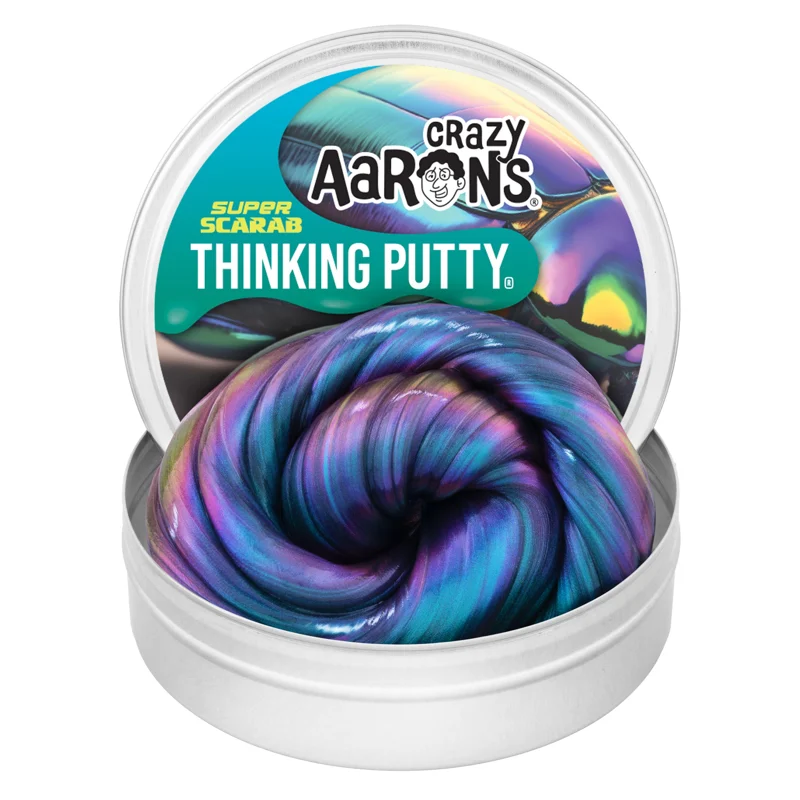
| Crazy Aaron’s Thinking Putty | Use clean, fully dry hands and return putty to its tin. The maker says contaminated putty cannot be cleaned back to its original condition. | Cleaning putty itself is different from removing putty from fabric. The maker gives separate stain-removal instructions; check the fabric care label before applying a product. |
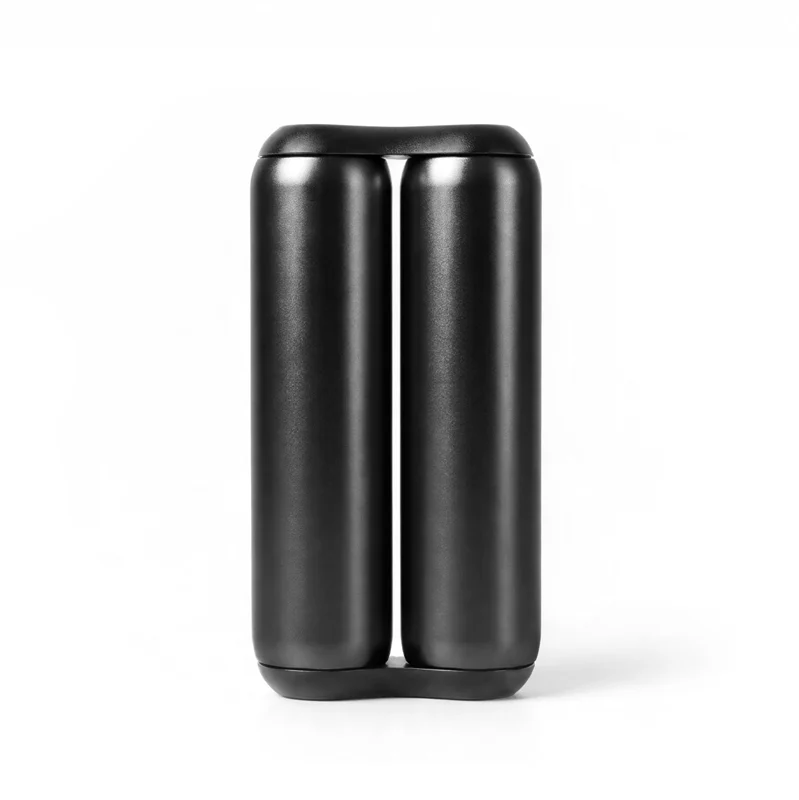
| ONO aluminum and steel Rollers | The maker’s Roller FAQ recommends isopropyl alcohol on a cloth, or antibacterial wipes, for the aluminum and steel versions. | This instruction is material-specific. It does not establish that every coated, plastic or titanium version should receive the same treatment. |
| ONO ABS plastic Junior | For the ABS plastic Junior, the same FAQ specifies a soft damp cloth or non-alcohol antibacterial wipes. | Use the exact model’s guidance. A metal product’s cleaning method should not automatically be applied to plastic. |
| ONO Scroller | The Scroller help page distinguishes metal parts from its Teflon rings: alcohol-based wiping for metal, and damp or non-alcohol wiping for the rings. | The maker provides a specific disassembly procedure and tool. Read that procedure rather than improvising or following Roller instructions. |
For the putty itself, do not substitute a fabric stain-removal method. For a mixed-material tool, check every component before choosing a liquid or wipe.
Use the least complicated approved method
Dry and inspect before storing
Be realistic about shared tools
Common questions
Can I put a fidget toy in the dishwasher?+
Only if its manufacturer explicitly permits that method for the exact product. Heat and water can damage parts, adhesives and fillings.
How often should I clean it?+
Follow the maker’s guidance and the requirements of the setting. Sharing, visible dirt and travel can change the practical routine.
See the types mentioned here
These examples illustrate the movements. They are not a recommendation that any product delivers a medical or learning benefit.
Continue with your next decision
Check for damage and loose parts before reuse.
Sticky or leaking squeeze toys
First identify the exact model. Tackiness can be part of a surface or a change that needs maker advice; it is not a reason to apply a household solvent. For its NeeDoh products, Schylling’s FAQ gives mild-soap-and-water care and leak questions. Follow the current model instructions. Stop using a leaking or damaged toy, keep contents away from mouths and do not improvise heat treatment, refilling or a patch.
Dirty putty, fabric and hair
Cleaning the container is different from cleaning the putty. Crazy Aaron’s FAQ says contaminated Thinking Putty cannot be restored to its original condition and gives storage and stain-removal guidance. Keep hands clean and dry and use the appropriate container. Check the maker’s current instructions for the affected material before treating fabric or hair; putty type and surface matter. Do not generalise a stain-removal method to skin or other putties.
Storage and sharing
Store objects so small pieces cannot reach someone who mouths items. Separate a damaged or leaking toy immediately. Before sharing, check whether the exact material and moving parts tolerate the permitted cleaning method and can dry fully. Putty and porous or damaged surfaces are different from a wipeable solid object. An educational guide cannot certify a shared toy as disinfected; follow the setting’s hygiene rules.
Identify the surface before choosing a cleaner
Look for separate instructions for the outer shell, fabric, moving parts and container. Follow the maker’s instructions for each part. For a shared item, check whether the permitted method also meets the setting’s cleaning rules.