Different movements.
Different possibilities.
Start with what your hands like doing. Each guide covers how a type feels, where it fits and what to check.
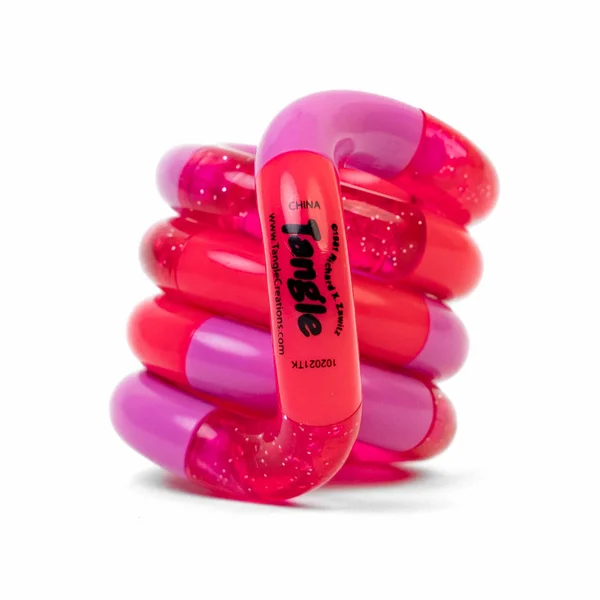
Tangles & twist toys
A continuous loop of curved pieces gives your fingers a repeating movement.
↗Squeeze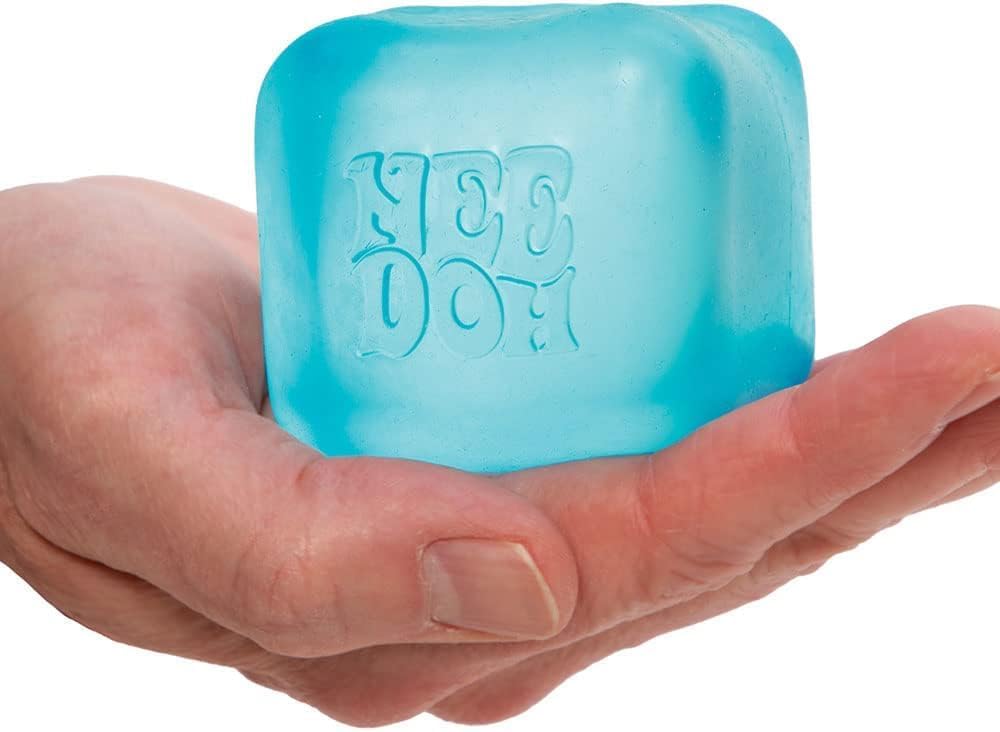
Stress balls
Soft resistance lets you squeeze, release and repeat. Firmness varies widely.
↗Stretch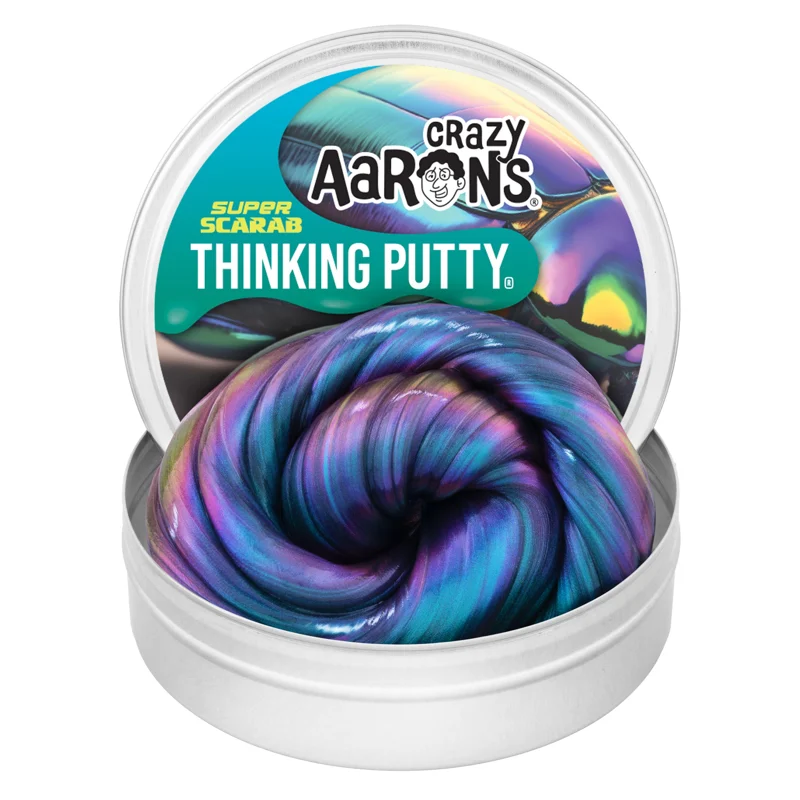
Putty
Stretching, folding and pressing offer slower, variable resistance.
↗Roll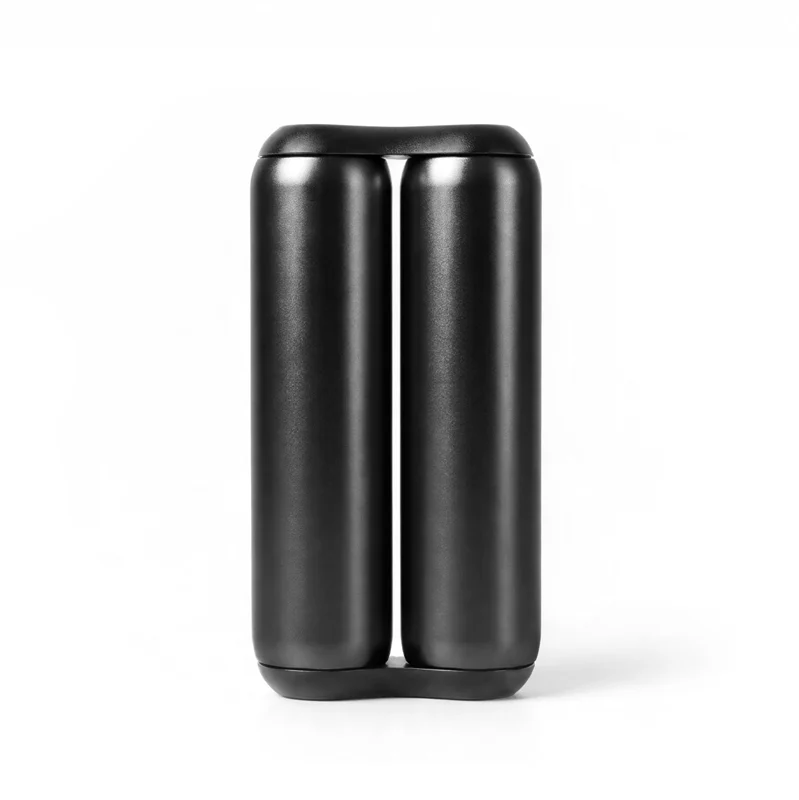
Hand rollers
Two moving cylinders or a rolling surface offer a continuous finger movement.
↗Click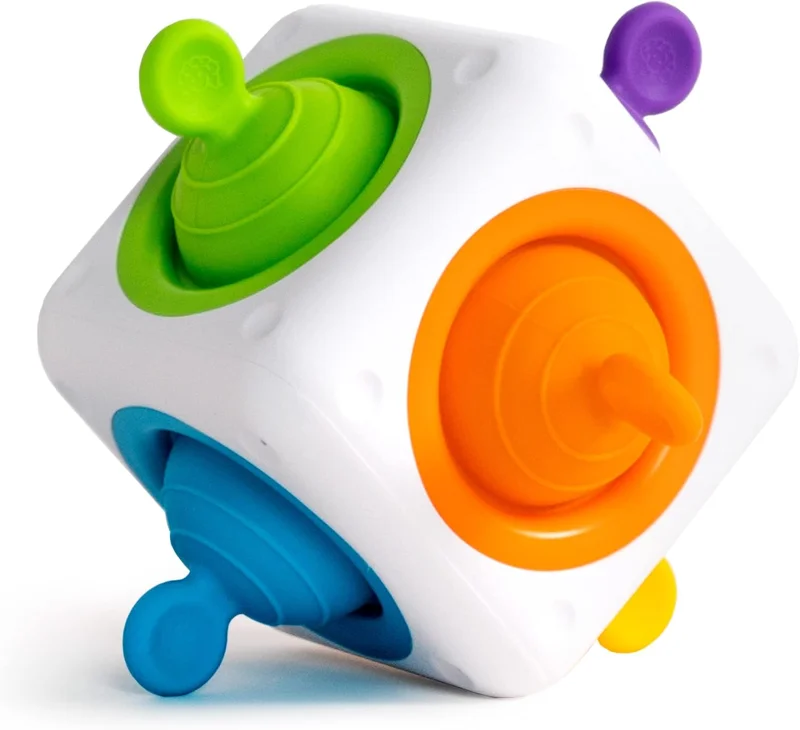
Fidget cubes
Several surfaces offer switches, buttons, rolling and rubbing in one object.
↗Press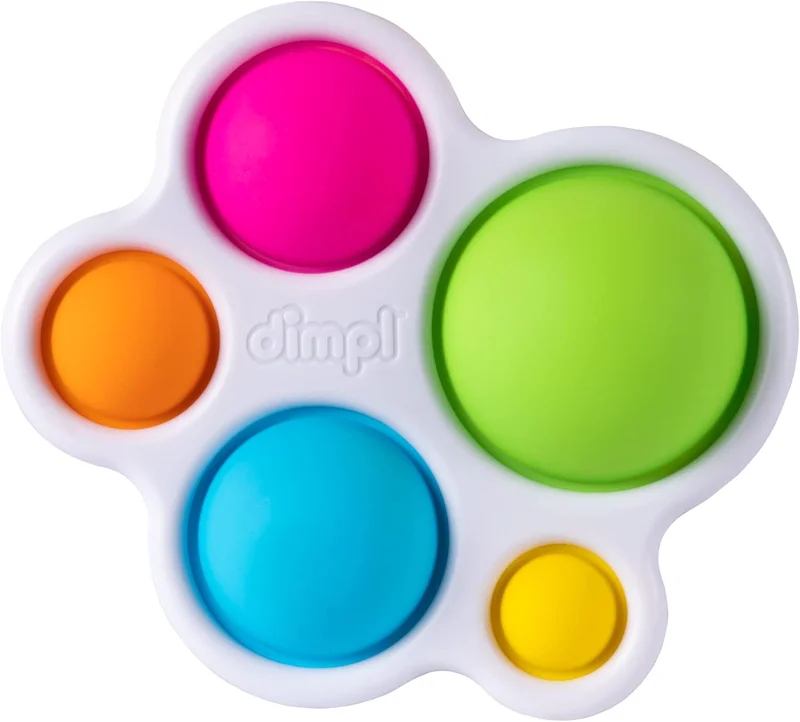
Pop toys
Silicone bubbles provide repeated pressing with a clear tactile endpoint.
↗Rub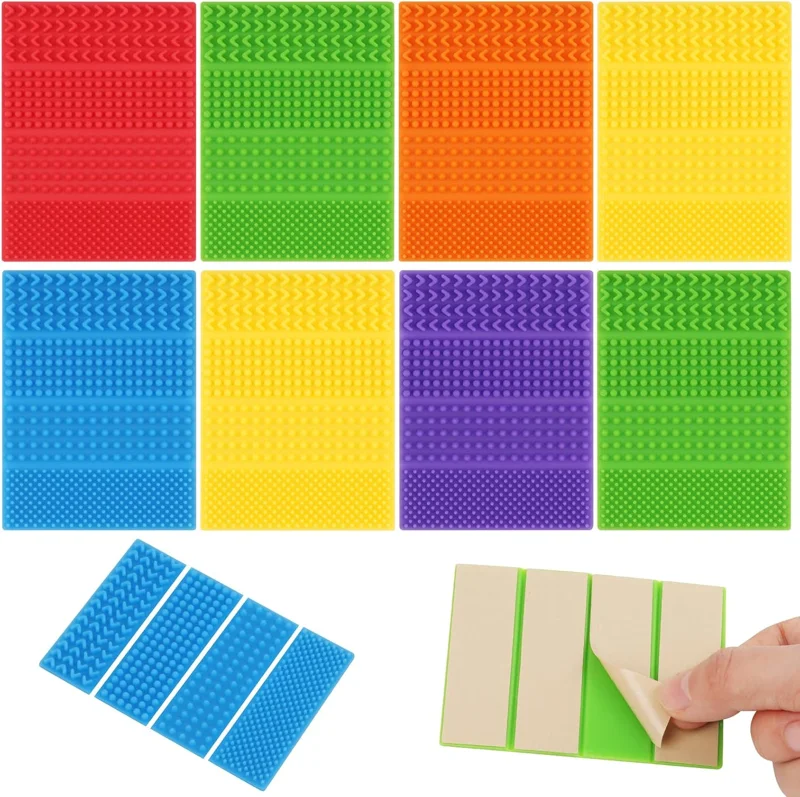
Textured tools
A textured strip or handheld surface provides friction without much movement.
↗Spin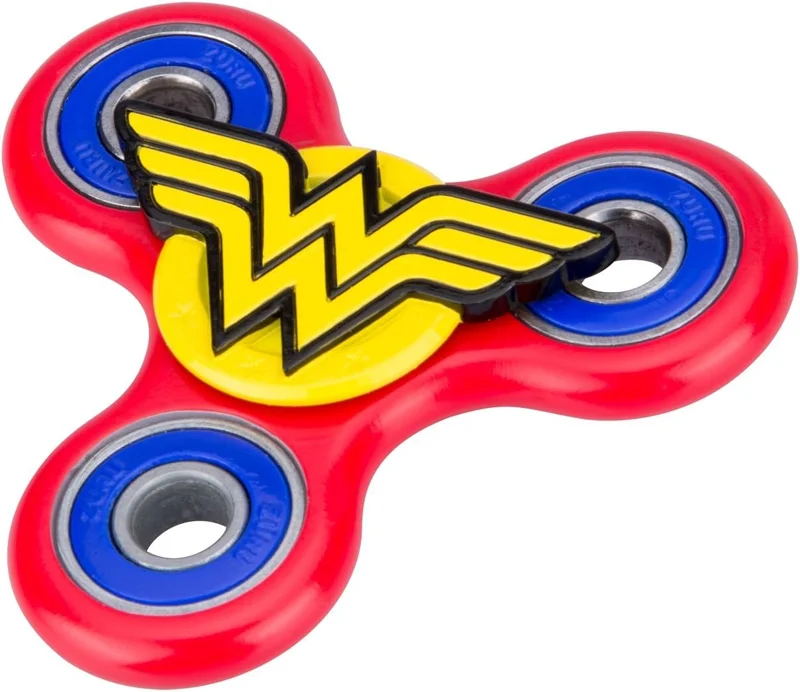
Spinners
Bearings allow rotation, often with a strong visual component.
↗Fold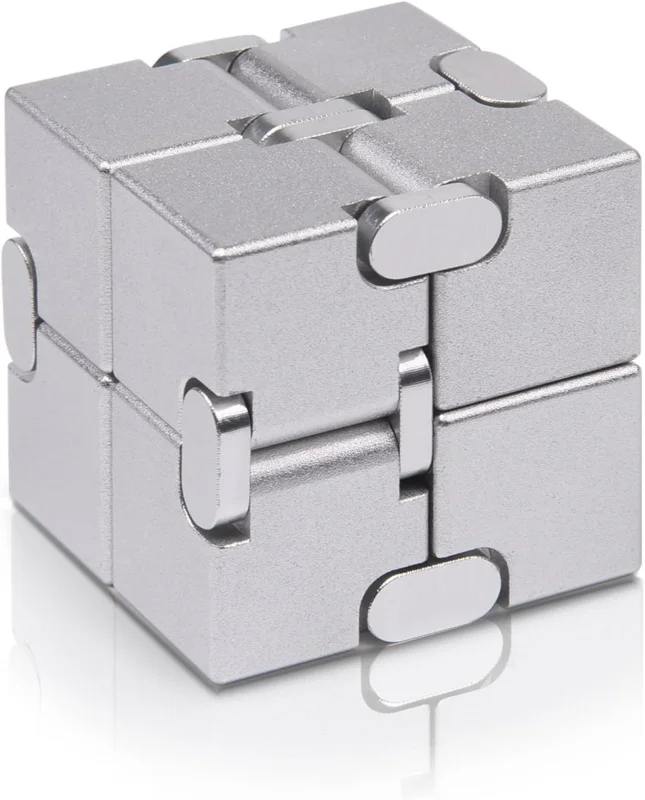
Infinity cubes
Hinged blocks fold through a repeating sequence.
↗Rotate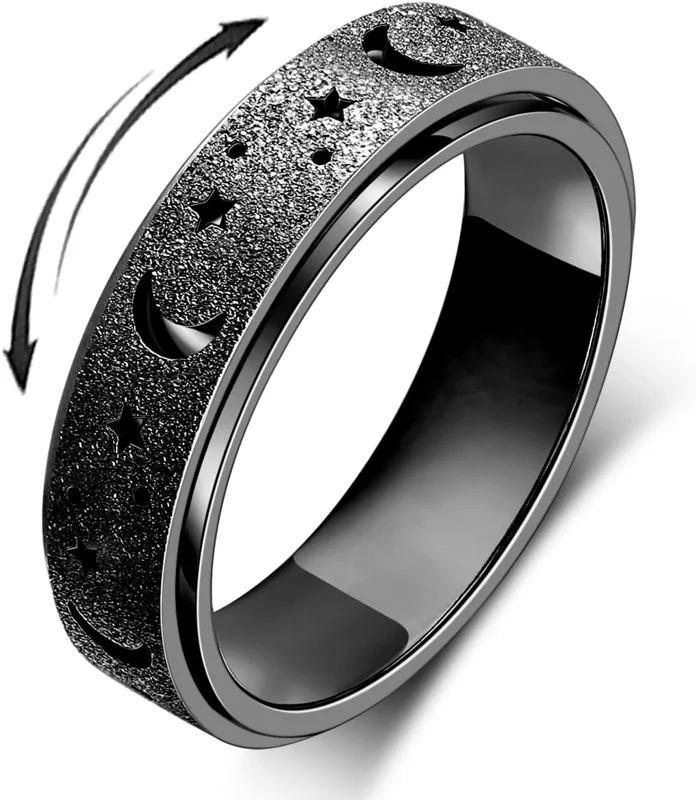
Fidget rings
A moving outer band offers a small rotating movement on your finger.
↗Connect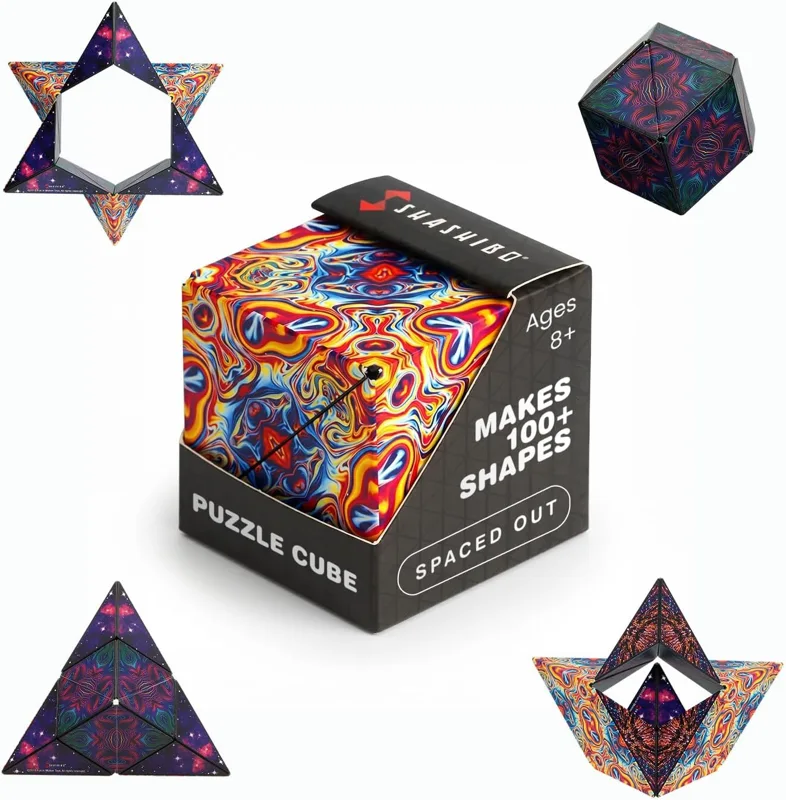
Magnetic fidgets
Magnetic fidgets use attraction to connect pieces or hold changing shapes. Designs range from enclosed puzzle magnets to separate magnetic pieces.
↗Start with a movement
Pick the action your hands prefer, then check the exact product’s sound, size and care requirements.
More movements to compare
Fidget sliders
Compare the path of travel and feedback first. Then check the exact construction, separable pieces, dimensions and sound in your setting.
RubWorry stones and thumb stones
Start with the thumb surface, edge finish and hand fit. A static rubbing object differs from a rotating ring or a slider with moving parts.
ClickFidget clickers and switch toys
Choose the action and switch feedback, then check audible sound, compatible parts and removable components. Tactile feedback does not automatically mean a loud click.
Flipping and tumbling sticks
Tumbling sticks use balance and momentum on a surface rather than the enclosed hand motion of a slider or folding cube. They require usable space and can make desk contact or become a visual activity. Treat them as break-time play if the movement interrupts the task. Knife-shaped trainers are outside this hand-fidget comparison library.
Compare types by what moves
If two objects look similar, check which part moves and how you reset it. A slider travels between positions, while a spinner rotates around a bearing. The comparison table puts those motions side by side.