On this page +
Different constructions in this category
| Construction | How it changes the choice |
|---|---|
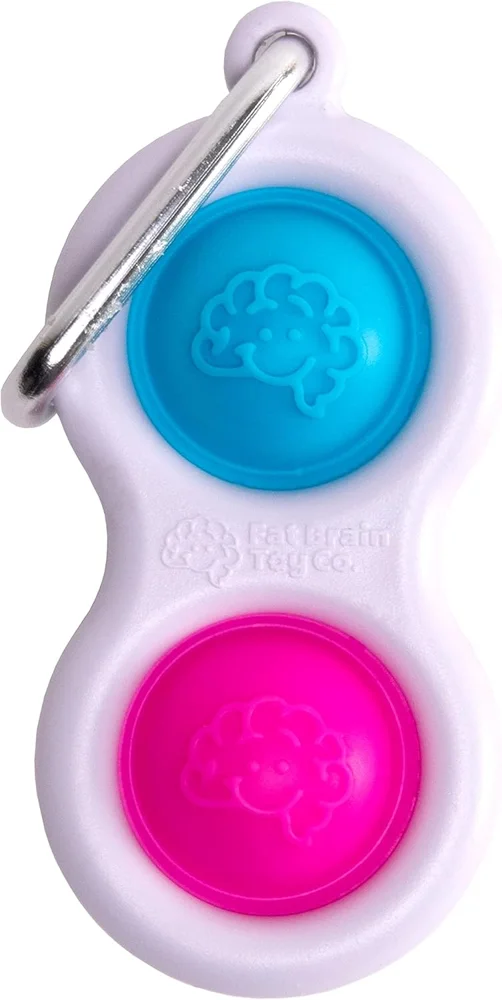
| Pocket keychain popper | A small two-bubble format is different from a full board. Check detachable attachments. View the example → |
| Handheld bubble frame | Multiple bubbles offer a different layout and footprint. Check the exact intended age and construction. View the example → |
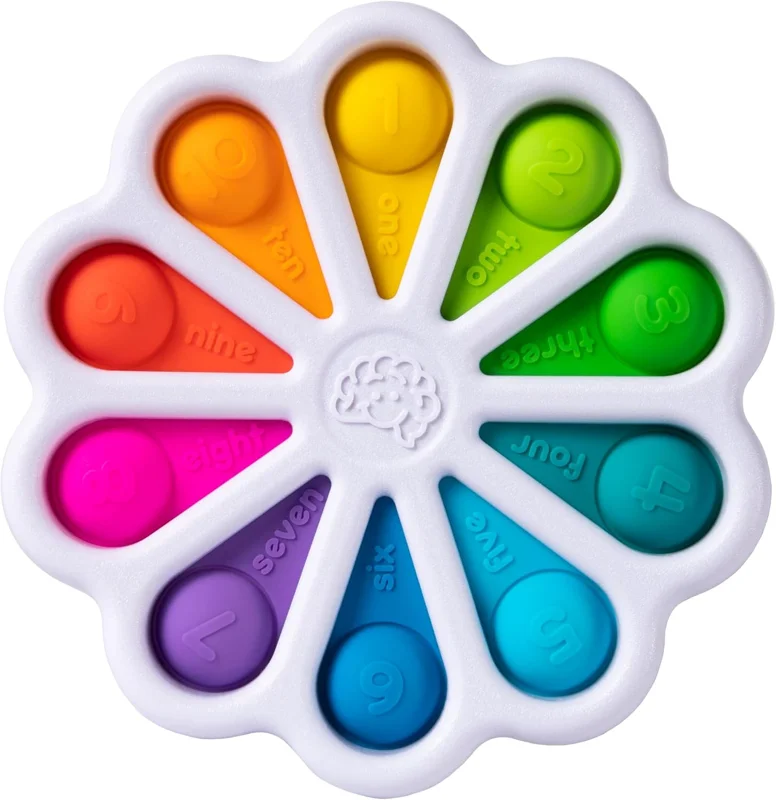
| Number and play board | Numbers and a larger layout make play part of the activity; do not assume a quiet background movement. View the example → |
Compare pop toys before buying
Compare the product options side by side
These are sourced product options, not hands-on test rankings. Start with the movement you prefer and compare the tradeoffs. Read our editorial method →.
| Product | Why consider it | Tradeoff |
|---|---|---|
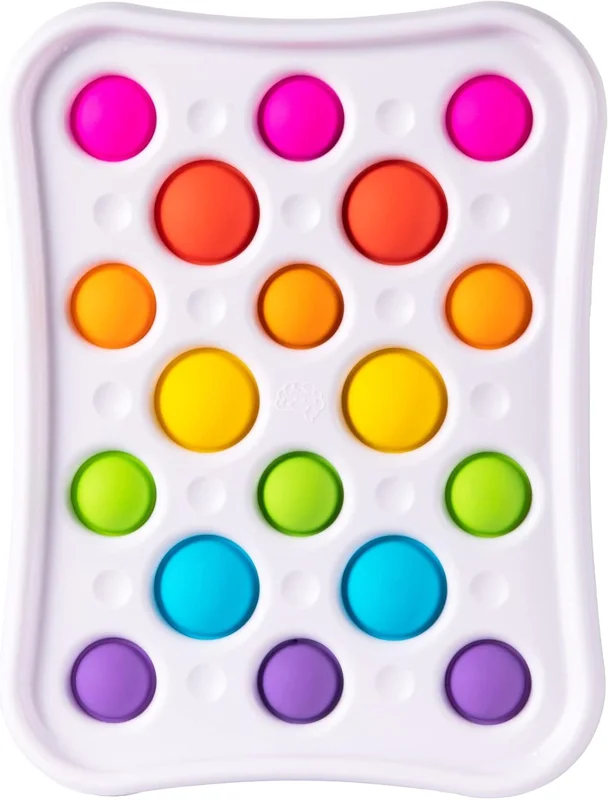
| Fat Brain Toys Dimpl → | For pressing several differently sized bubbles | A larger framed toy rather than a pocket fidget. Check the exact age label and keep it clean. |
| Fat Brain Toys Simpl Dimpl Clear 3-Pack → | For a small keychain-style popping movement | Pops can be audible. Keys and detachable hardware need care around children. |
| Fat Brain Toys Dimpl Pops → | For a broader surface of push-through bubbles | Less discreet than a small single-hand tool. Popping may interrupt a quiet room. |
| Fat Brain Toys Simpl Dimpl Blue/Pink → | For two-bubble pressing on a small keychain | Popping can be audible. Check the keychain attachment and silicone for damage; this is a single blue/pink model rather than the clear three-pack. |
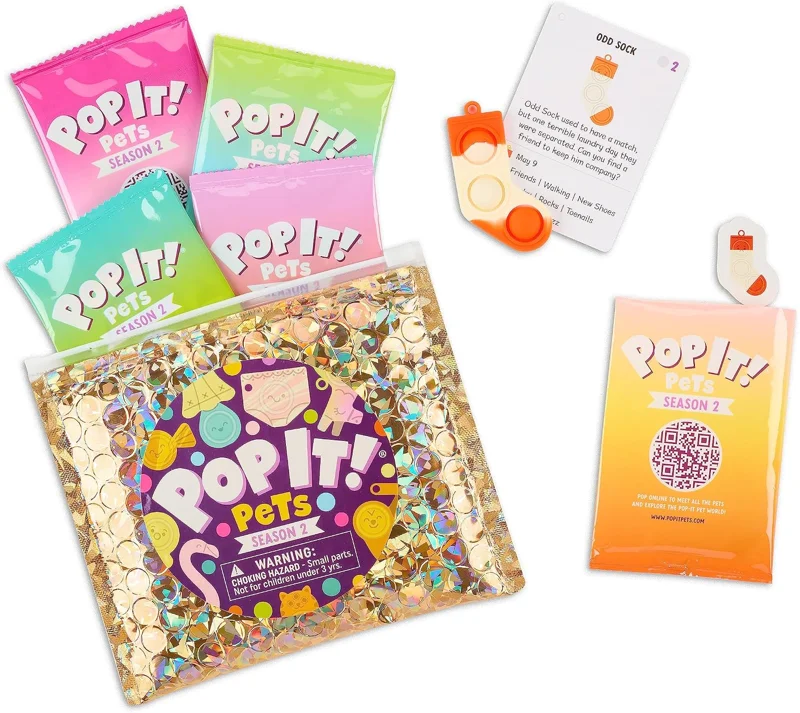
| Buffalo Games Pop It! Pets Season 2 → | For small character-shaped popping toys and collecting | Small accessories and character pieces are easy to lose. Check age labels and keep loose parts away from young children. |
| Fat Brain Toys Dimpl Digits → | For larger pressing bubbles combined with number play | An approximately eight-inch learning toy rather than a discreet pocket fidget. Use the exact product age guidance and supervision. |
Terms used in this guide: One-handed use.
What matters when choosing a pop toy?
- Bubble resistance
- Compare how much pressure each bubble needs and how it returns. The bubble size and design can change the movement.
- Sound on each side
- Try both sides and the intended surface. A pop that seems soft at home may carry in a classroom or meeting.
- Cleaning and tears
- Follow washing instructions for the exact model. Inspect silicone for tears and check whether any pieces or attachments can detach.
For pressure without a popping endpoint: stress balls →. For shared spaces, check how to assess sound →.
Movement and sound
The main action is press. Sound: soft pops. These descriptions are practical category guidance, not measurements of every product. Construction, force and the surface underneath change the experience.
One bubble versus a whole board
A small popper is easy to carry, while a larger board offers more pressing positions. Some boards need to be flipped to reset; others need a deliberate push from the opposite side. That reset can interrupt a one-handed habit.
Listen from the other seat
The pop can sound different on each side and on a tabletop. Ask someone nearby to listen in a quiet room. Inspect silicone for tears and dirt around the rims, and use cleaning methods recommended for the exact construction.
Pressing for play or pressing while listening
A whole bubble board can become an enjoyable activity in its own right. A small popper may be more portable, but its sound still matters. Compare button cubes for a different pressing feel and the school trial guide for shared-space expectations.
Where this type might fit
Pressing bubbles gives a repeated endpoint, but resetting them and moving across a board may involve both hands. Check the sound from nearby and whether the surface fits your bag or desk.
What to check before buying
Inspect for tears and check the manufacturer’s age label.
- Compare the exact model’s dimensions and construction.
- Read age labels and small-parts warnings.
- Check care instructions and the seller’s return policy.
Try before you collect
Start with one object or borrow an appropriate clean tool. Compare similar tasks with and without it. Record comfort, interruptions and task completion. You do not need to keep using something simply because it is described as a sensory tool.
We have not identified strong clinical evidence establishing a benefit for this particular type. The buying suggestions describe movement and practical fit, not a proven treatment or performance improvement.
Understand the research →Keep reading
Child safety · Cleaning guide · What studies can tell us
Products to consider
Selected for different preferences and documented features, not ranked by clinical benefit. We have not hands-on tested these products. Amazon links open Amazon.com; seller, price and availability can change.
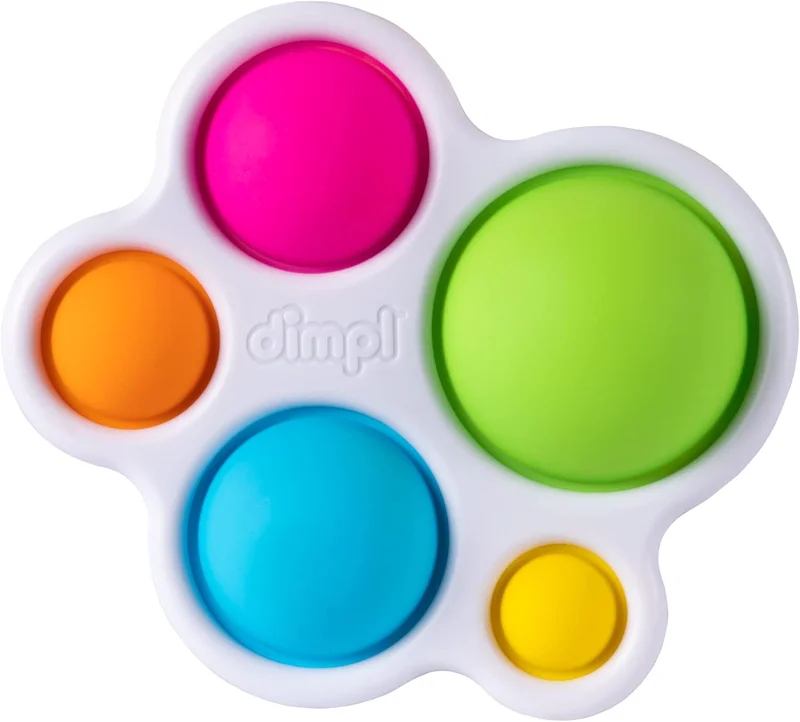
Fat Brain Toys Dimpl
Features, sources and buying details →View on Amazon ↗Specification source ↗Choose between simple pressing and a visual activity
Compare the Dimpl Original for repeated pressing with the Dimpl Digits if labelled bubbles are part of the activity you want. If you need to keep looking at a book or screen, try pressing by feel during a low-stakes task. Check whether you need a second hand to turn or reset the exact model, and whether the sound works in the room.
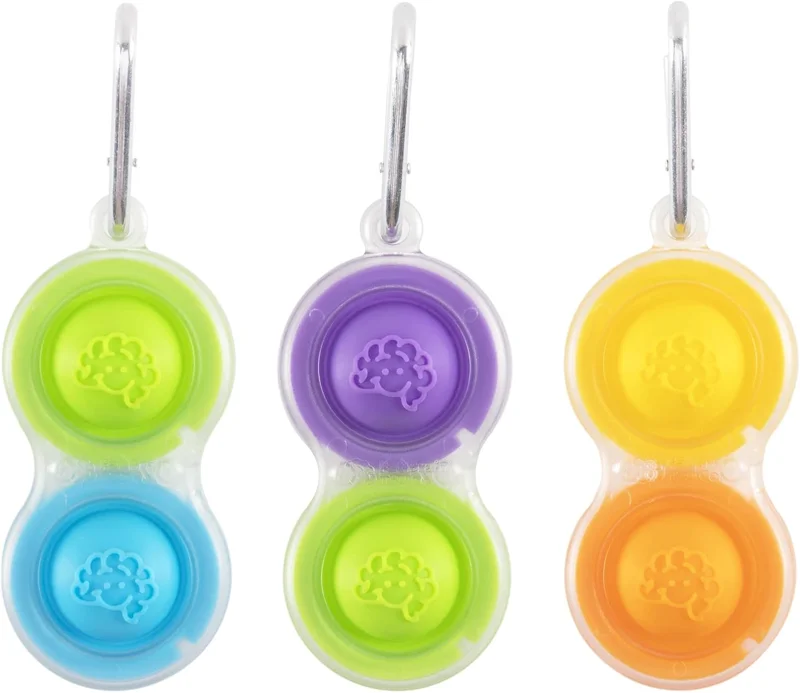
Plain retailer links, with no affiliate tracking in this version. Photos are manufacturer or retailer images; colours and pack contents vary by listing. See individual product profiles for specification check dates.