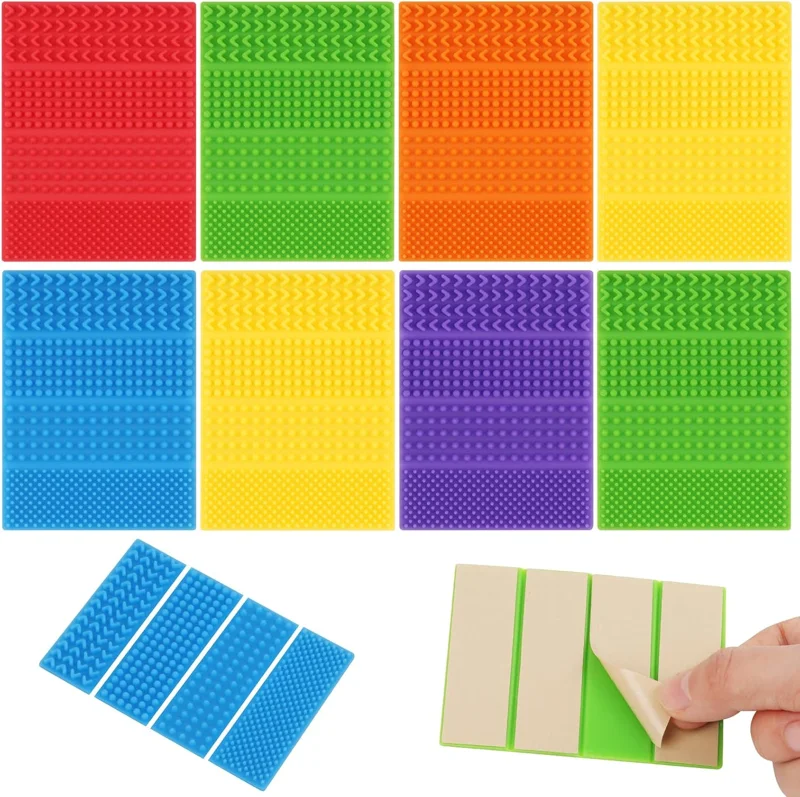
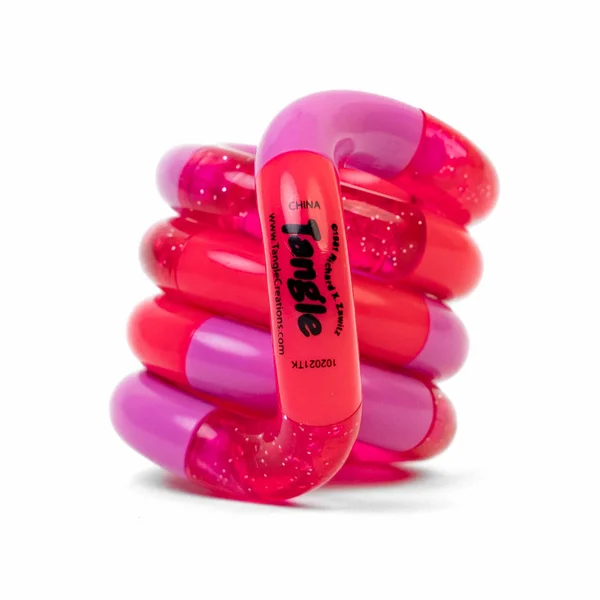
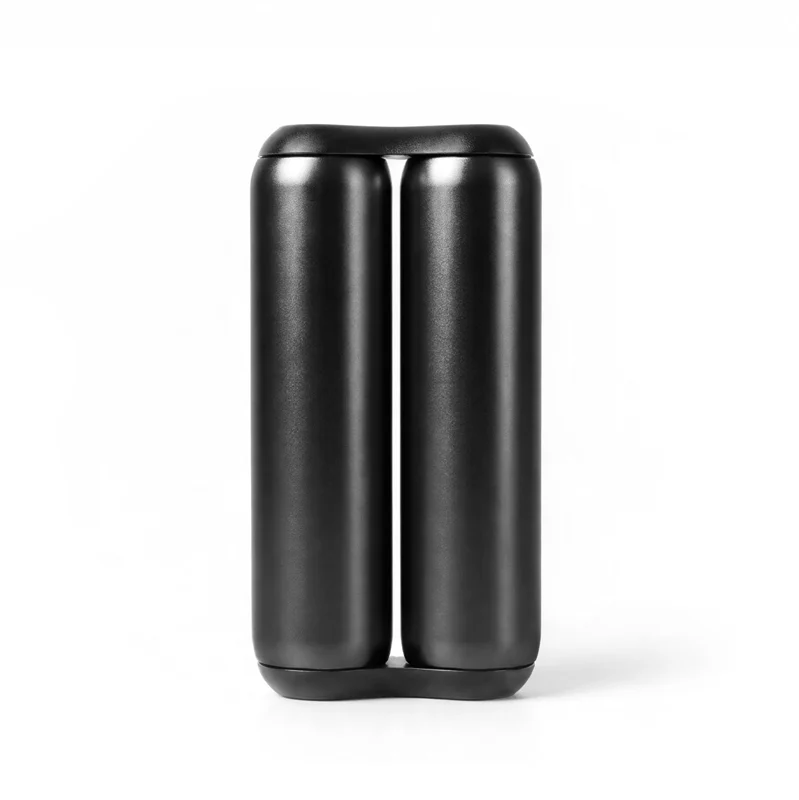
Quiet is a property of a particular object in a particular setting, not a guarantee attached to a whole category. Textured tools, some rollers and soft squeeze tools are useful starting points. Test the sound at the distance other people will hear it.
By Fidget-Tech · Published 26 October 2026 · Educational guide
What makes a fidget toy noisy?
Noise comes from more than the main mechanism. A roller may be quiet in the hand but knock against a table. A ring may rattle when turned quickly. A cube can include both quiet rubbing surfaces and loud switches. Filled toys may squeak or make a sticky sound depending on how they are squeezed. Inspect the exact action you plan to use, rather than judging a category name. Ask a nearby person what they hear from a normal sitting distance. The sound reaching someone else can differ from the sound you notice while holding the object.
Test in the environment that matters
A living room with music playing is a poor test for a silent study room. Try the object during a quiet period, using your normal movement rather than an unusually gentle demonstration. Place it where you expect to use it and check contact with the desk, chair or microphone. In a meeting, avoid squeezing or rolling directly beside a laptop microphone. A phone recording can help you notice a click, but automatic volume processing means it is not a reliable sound-level measurement. You do not need a decibel score to decide whether a sound is unwelcome.
Shortlist low-mechanism options first
Textured surfaces, some hand rollers and soft squeeze tools are reasonable starting points when you want less mechanical sound. That is category guidance, not a promise that every model is silent. Check joints, seams, surfaces and reviews describing the exact variant, then read the maker’s instructions. A soft pad under the hand may reduce desk contact, but it should not be used to excuse a tool that still disrupts others. If a quiet action is awkward or uncomfortable, choose another movement rather than forcing yourself to hold the object in a special way.
Have a shared-space agreement
For a classroom or shared desk, agree what happens if the object becomes noticeable. A simple signal and a quiet alternative can avoid turning a small interruption into an argument. Keep one suitable tool available instead of a pile of objects that invites swapping and comparison. Decide where it rests when you need both hands and how it will be stored without rattling in a bag. If the setting requires silence that the tool cannot meet, a comfortable finger movement without an object may be the easier choice. The goal is a workable arrangement, not proving a toy is quiet.
RESEARCHED BUYING PICKS
A few practical starting points
Selected for different preferences and documented features, not ranked by clinical benefit. We have not hands-on tested these products. Amazon links open Amazon.com; seller, price and availability can change.
Try the same movement in your hand and near the surface you will use. Check the sound of the mechanism, the reset and putting the object down. If possible, ask someone at a nearby seat what they hear.
Plain retailer links, with no affiliate tracking in this version. Photos are manufacturer or retailer images; colours and pack contents vary by listing. See individual product profiles for specification check dates.
Common questions
Are pop toys silent?+
Usually not completely. Bubble shape, surface and pressing force all affect the popping sound.
Can I trust a silent product label?+
Treat it as a starting claim. Test the exact product and movement in the setting where you plan to use it.
PUT THE GUIDE INTO CONTEXT
See the types mentioned here
These examples illustrate the movements. They are not a recommendation that any product delivers a medical or learning benefit.