Check the exact product’s age label, parts, construction and warnings. A generic category cannot certify safety. Keep small objects away from young children and anyone likely to mouth them. Strong magnets and water beads introduce specific serious hazards.
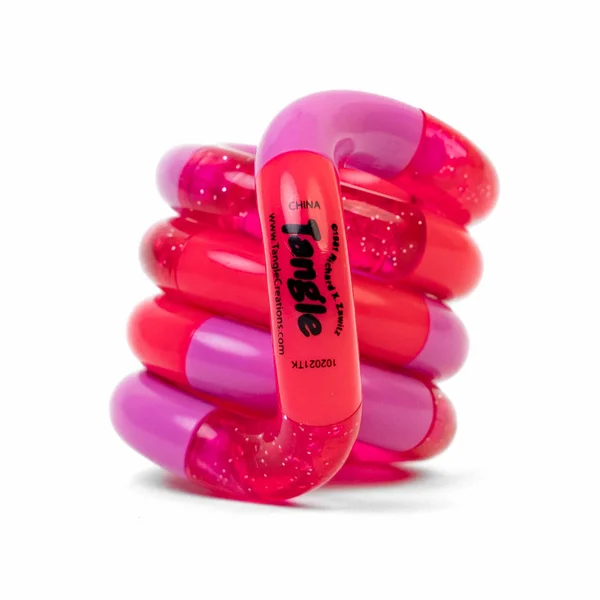
Example: Tangle Jr. Classic / Neon. Shown to illustrate the topic.On this page +
By Fidget-Tech · Published 26 October 2026 · Educational guide
What should you check before giving a child a fidget?
The exact product age label is a starting point, not a complete assessment of the child or environment. Consider whether the child mouths objects, pulls parts apart or shares a space with younger siblings. Check caps, joints, cords, fillings and anything that could come loose during normal use. A tool suitable for one child can be unsuitable for another with the same age. Buying from a recognisable brand does not remove the need to read the listing and inspect the item that arrives. Do not rely on a generic search category such as fidgets for kids as a safety statement.
Keep high-risk materials out of casual kits
Loose high-powered magnets and water beads introduce hazards that do not belong in a general recommendation for young children. Read the CPSC magnet guidance and water bead information for the reasons. A fidget kit does not need these items to offer different movements. Choose alternatives with clear construction and appropriate labels. If a magnet or water bead may have been swallowed, seek urgent medical advice; do not wait for visible symptoms or assume the object will pass safely.
Inspect the item when it arrives and as it wears
Before first use, check the selected model, pack contents and warnings against what you ordered. Look for sharp edges, loose pieces, damaged seams and leaking filling. Repeat the inspection when cleaning or putting it away, especially after the object has been stretched, dropped or chewed. Remove a damaged item from use rather than repairing a small-part hazard with an improvised fix. A squeeze toy is not a chew tool unless the exact product is explicitly intended for that use. Avoid attaching loops or cords in ways the maker has not instructed.
Plan supervision, storage and sharing
Decide where the tool will be kept, who can access it and how it will be cleaned if shared. Adult supervision does not make an unsuitable object suitable. Keep small components out of younger children’s reach when the main user is finished. In school, tell the responsible adult about removable parts, care instructions and any relevant allergy information. Retain the packaging or a photograph of the product label so the model can be identified if a recall or fault appears. Follow the official product safety and recall service for your country rather than relying only on marketplace reviews.
Official guidance; checked 2026 · Official US product-safety requirements and guidance · Children’s products and small parts, especially for children under three
The small-parts assessment includes entire objects, separate components and pieces that break off during simulated use or abuse.
The limit: A regulatory framework is not certification of products listed here. Requirements differ by country and exact product category.
These studies do not test or endorse the commercial products shown on this page.
Common questions
Is every silicone toy safe to chew?+
No. Material alone does not establish chew safety. Use only products explicitly designed and labelled for that purpose.
Can I use a damaged stress ball if it still squeezes?+
Remove it from use if its shell is torn or filling leaks. Follow the maker’s disposal guidance and prevent access by children and pets.
PUT THE GUIDE INTO CONTEXT
See the types mentioned here
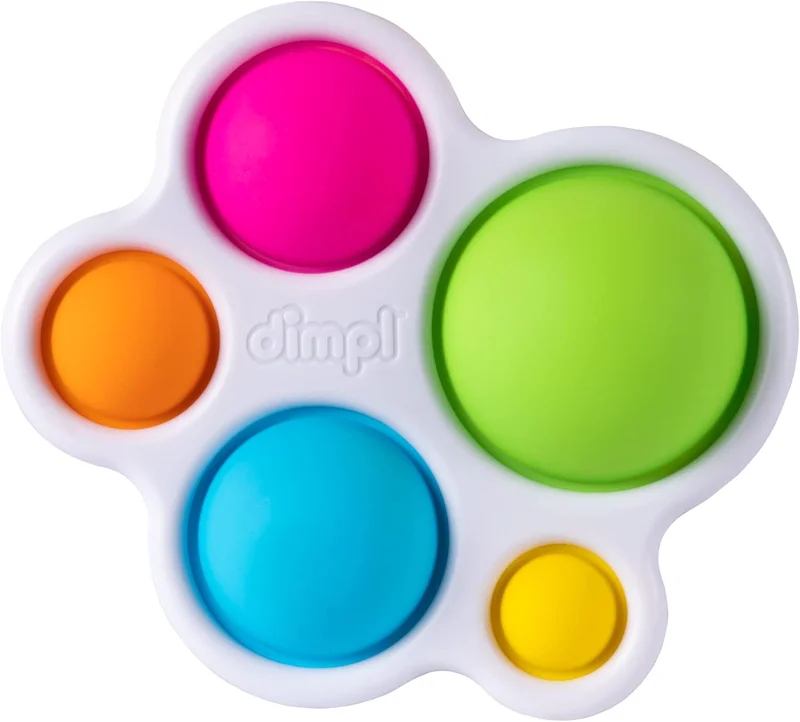
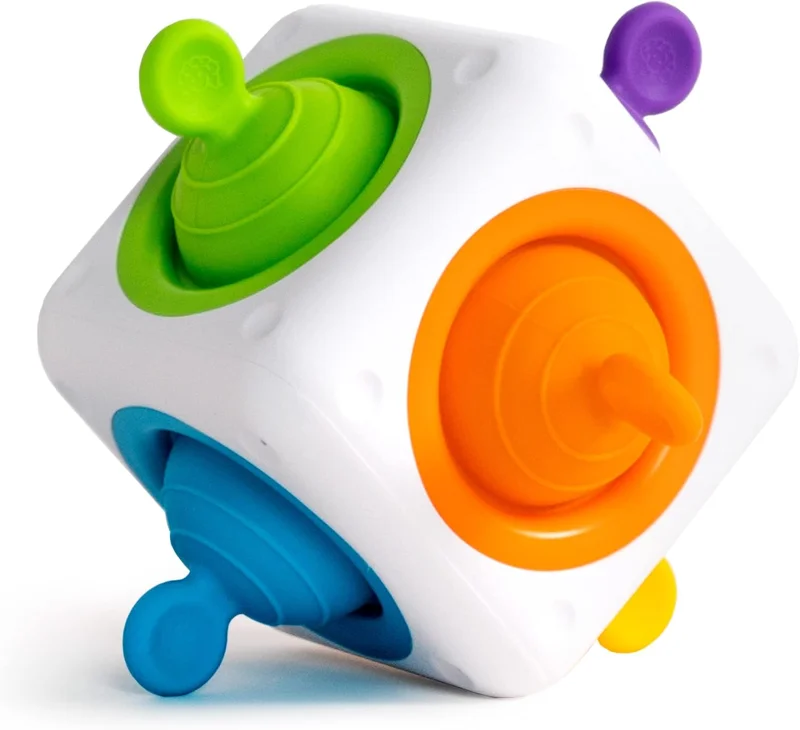
These examples illustrate the movements. They are not a recommendation that any product delivers a medical or learning benefit.
Record the maker, model, batch or date code and seller before checking the relevant official recall service for your market. Similar appearance is not enough to confirm a match or to clear a product. Read the notice’s affected identifiers and remedy. A catalogue entry on this site is not a recall clearance or safety certification. Hand fidgets are not chew tools, including when described as sensory products.
Check the product in front of you
Keep the packaging or instructions with the exact model name. Check the warnings against who can access it, including younger children in the same space. If you cannot establish the model or warning, ask the maker before offering it.