Silicone, plastic, metal, fabric and putty feel different and need different care. A material name alone does not establish food safety, suitability for chewing, allergy safety or durability. Look for specific product documentation.
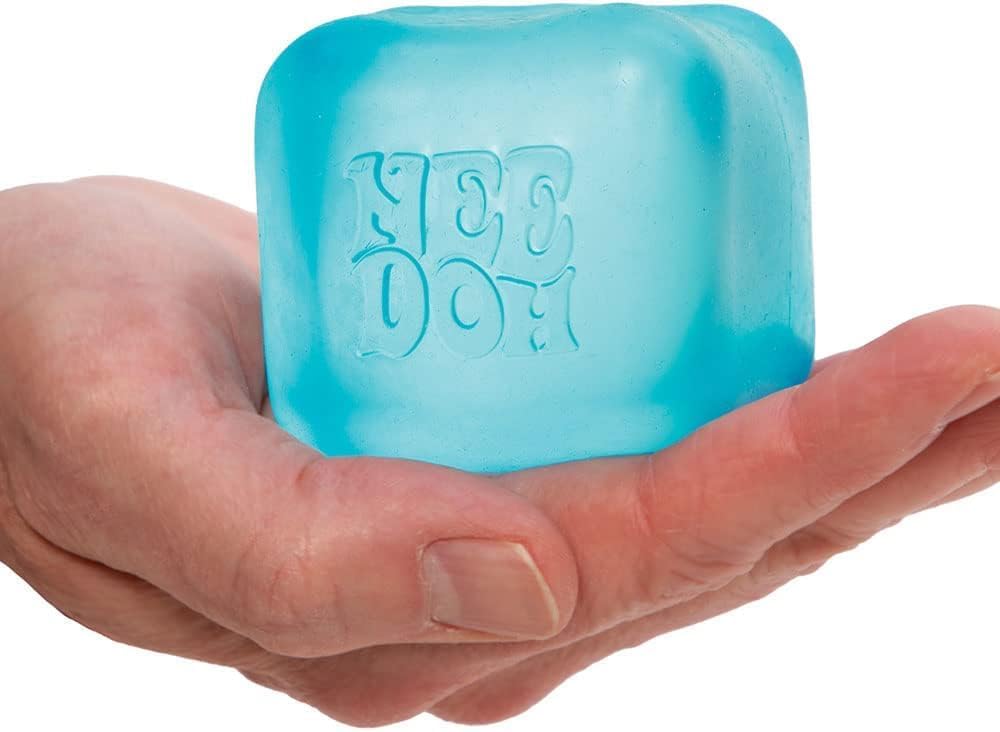
Example: Schylling NeeDoh Nice Cube. Shown to illustrate the topic.On this page +
Compare construction, not just material
Compare construction, not just material
Construction
What changes the choice
Care and failure boundary
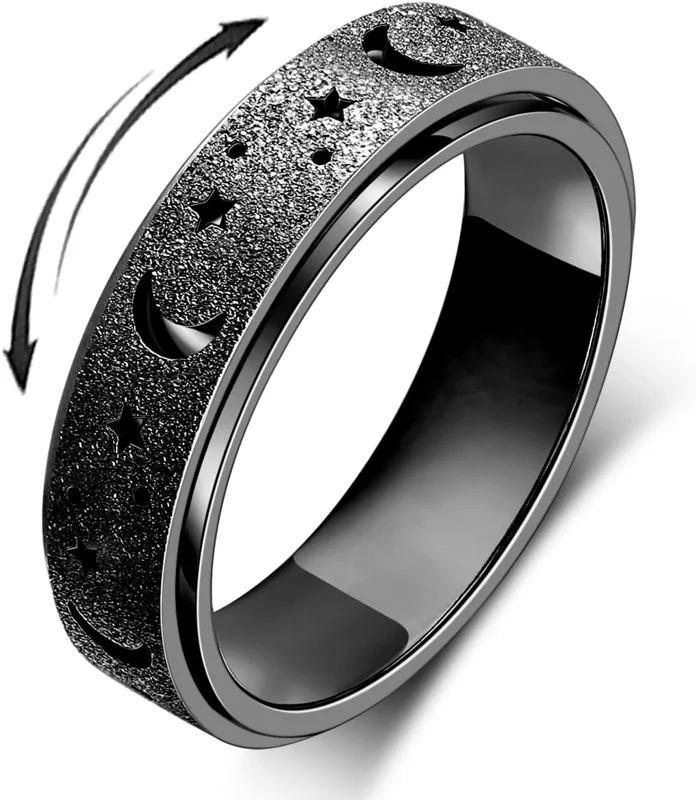
Metal mechanism
Weight, gaps and moving joints
Follow the mechanism’s care instructions; material alone does not make it washable
Filled squeeze shell
Seams and enclosed filling
Retire if damaged or leaking; use the exact maker’s cleaning guidance
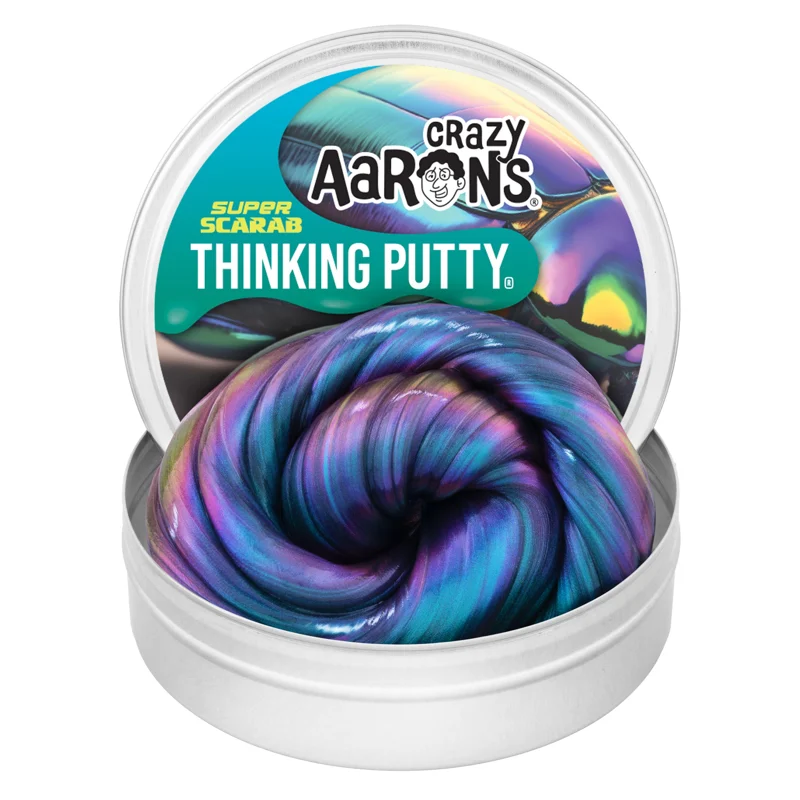
Putty
Formula, inclusions and containment
Keep away from fabric; distinguish storage from stain-removal methods
Adhesive texture strip
Surface compatibility and removal
Check both the strip and the surface before cleaning or attaching
By Fidget-Tech · Published 26 October 2026 · Educational guide
What does a material label tell you?
A material choice changes the experience before it changes anything else. Metal can feel cool and substantial. Silicone may be flexible or relatively firm depending on the design. Hard plastic can be light but still include noisy joints. Fabric-covered squeeze tools offer a different surface from smooth gel toys. Putty changes shape and needs containment. These descriptions are starting points, not guarantees about every product. Read dimensions, total weight and construction together. A product with a silicone coating may still contain hard internal parts, and a metal exterior does not tell you how a joint will move.
Separate marketing terms from specific information
Words such as premium, therapeutic, natural or non-toxic do not answer every practical question. Check what the object is made from, whether the filling is enclosed, whether latex or fragrances are present and what use the maker intends. Material alone does not establish suitability for chewing, food contact or use by a child who mouths objects. If allergy information matters, look for a clear answer from the manufacturer rather than inferring it from photographs or customer questions. A missing specification is a reason to ask or choose another product, not permission to assume the most reassuring answer.
Think about the failure mode
Different materials fail in different ways. A filled ball can leak through a torn seam. A hinged plastic tool can develop a loose piece. A rough surface can wear or irritate skin. Putty can transfer to fabric or hair. A heavy item can be inconvenient when dropped. Consider how the toy will be used, stored and cleaned, especially when it will be carried with electronics, used by children or shared. Inspect for changes and retire a damaged object. A long list of features does not compensate for unclear construction or care instructions.
Choose care requirements you can follow
Match the material to your routine rather than buying first and inventing a cleaning method later. If you want a travel tool, a simple surface with clear wipe-clean instructions may be easier than fabric or exposed bearings. If you prefer putty, provide a clean surface and a secure storage tin. If you like a textured adhesive strip, check whether it is intended for the surface you plan to use and whether removal can leave marks. Our cleaning guide explains why the whole construction matters, not just the material named in the title.
Official guidance; checked 2026 · Official US product-safety requirements and guidance · Children’s products and small parts, especially for children under three
The small-parts assessment includes entire objects, separate components and pieces that break off during simulated use or abuse.
The limit: A regulatory framework is not certification of products listed here. Requirements differ by country and exact product category.
These studies do not test or endorse the commercial products shown on this page.
Common questions
Is metal always more durable?+
No. Durability also depends on joints, bearings, coatings and how the object is used. Material is only one part of construction.
Does natural mean safer?+
Not by itself. Read the exact intended use, components, allergy information and warnings.
PUT THE GUIDE INTO CONTEXT
See the types mentioned here
These examples illustrate the movements. They are not a recommendation that any product delivers a medical or learning benefit.
A coating name does not establish the material underneath or allergy suitability. Ask the maker for the exact variant’s composition and care limits. Stop use if a surface flakes, leaves residue, develops sharp damage or irritates skin. Do not assume that polishing or a household cleaner will preserve a finish. Product photos and category descriptions cannot replace documented composition.
Ask for the material of the part you touch
A listing may name the body material while leaving the coating, grip or fill unspecified. Ask for the composition of the relevant part on the exact variant. Keep that answer with the care instructions.