On this page +
What should you measure in a personal fidget trial?
Make the trial small enough to answer. Instead of asking whether a toy improves your life, ask whether one movement fits ten minutes of reading, a listening session or a particular worksheet. Choose an outcome you can observe without constant checking. You could record whether the task was completed, whether your eyes repeatedly left it or whether the object made sound that affected others. Comfort can be recorded separately. A simple question prevents a pleasant sensation from being mistaken for proof of better learning, and prevents one distracted moment from becoming a verdict on every fidget.
Compare reasonably similar occasions
Use the same task type, a similar setting and one object. Include sessions without the object when practical. Avoid changing music, seating, task difficulty and the toy at the same time, because you will not know which change mattered. Try more than the first novelty-filled minute, but do not keep using something uncomfortable just to complete a schedule. School trials should be agreed with the responsible adult and should include the child’s view. This is ordinary observation of fit, not a clinical experiment or a way to diagnose ADHD, anxiety or a sensory difficulty.
Use a short record, then return to the task
A useful note can be one line: activity, object or no object, completed or not, interruptions, comfort and any sound problem. Fill it in after the session rather than monitoring every movement while working. You do not need an elaborate scoring system, a wearable or a detailed diary. If logging becomes more effort than the activity, simplify it. One unusually tiring day or an unusually easy assignment should not decide the result alone. Look for a practical overall pattern across comparable occasions and be honest when the observation is unclear. Use the personal trial worksheet to record the same fields. For example: ten minutes of listening, roller, task completed, one interruption, comfortable, no reported sound problem. A comparable session without the object is another observation, not proof of a treatment effect.
Choose a practical next step
At the end, choose one of four outcomes: keep this arrangement, change the movement, reserve it for a break or stop. It is possible to like an object while deciding it does not suit reading or class. It is also possible for a simple, unremarkable tool to fit well without creating a noticeable feeling of calm. Do not turn the trial into a reason to purchase endlessly or seek a perfect score. For a school accommodation or clinical concern, share the observations with the relevant professional rather than presenting them as proof of a treatment effect.
Common questions
How long should my trial last?+
There is no validated universal duration for a personal shopping trial. Use several comparable low-stakes occasions and stop sooner if the object is uncomfortable or disruptive.
What if I cannot tell a difference?+
That is a valid observation. You can choose based on enjoyment and practicality without claiming an improvement in performance.
See the types mentioned here
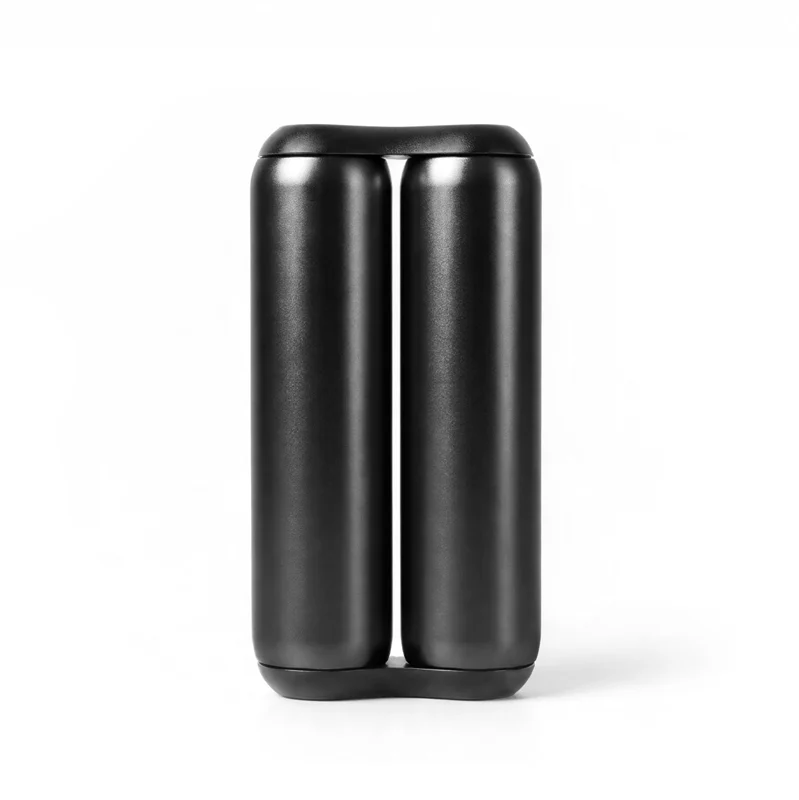
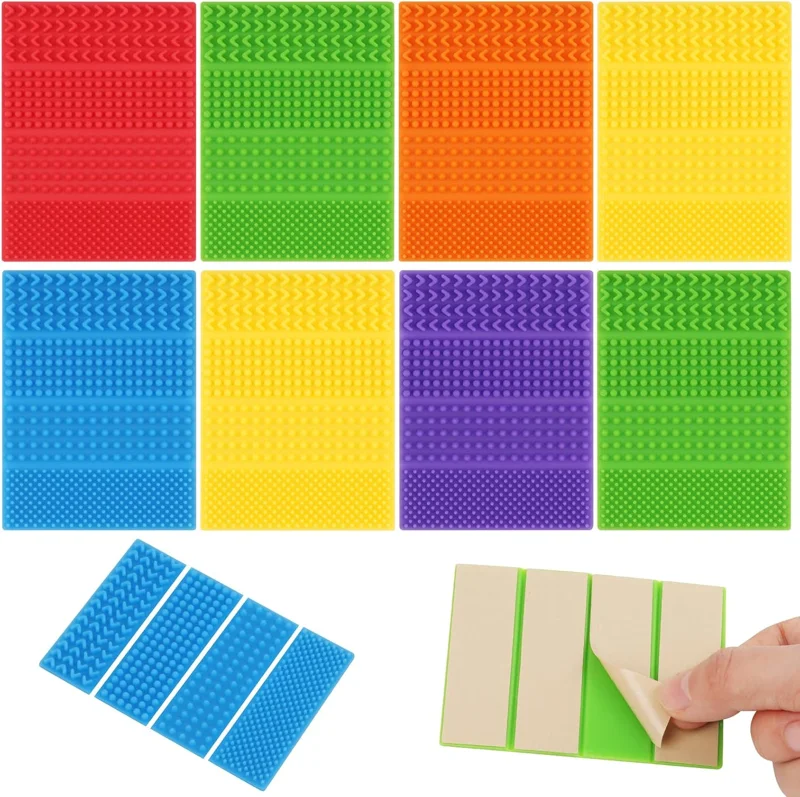
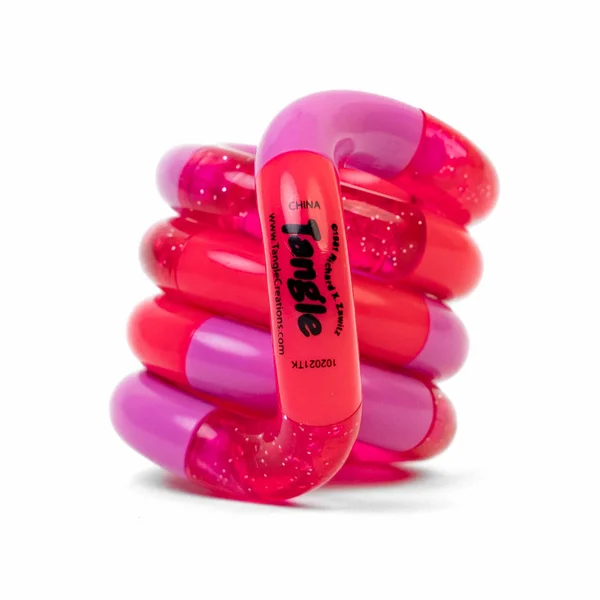
These examples illustrate the movements. They are not a recommendation that any product delivers a medical or learning benefit.
Continue with your next decision
Understand what a personal trial can and cannot show.
Write the stopping rule before the trial
Choose a short activity and write down what would make you stop, such as pain, repeated interruptions or needing both hands for the task. Record that result even if you enjoyed the movement. Open the trial worksheet.