On this page +
Different interventions answer different questions
| Intervention | Population | Finding and boundary | Primary source |
|---|---|---|---|
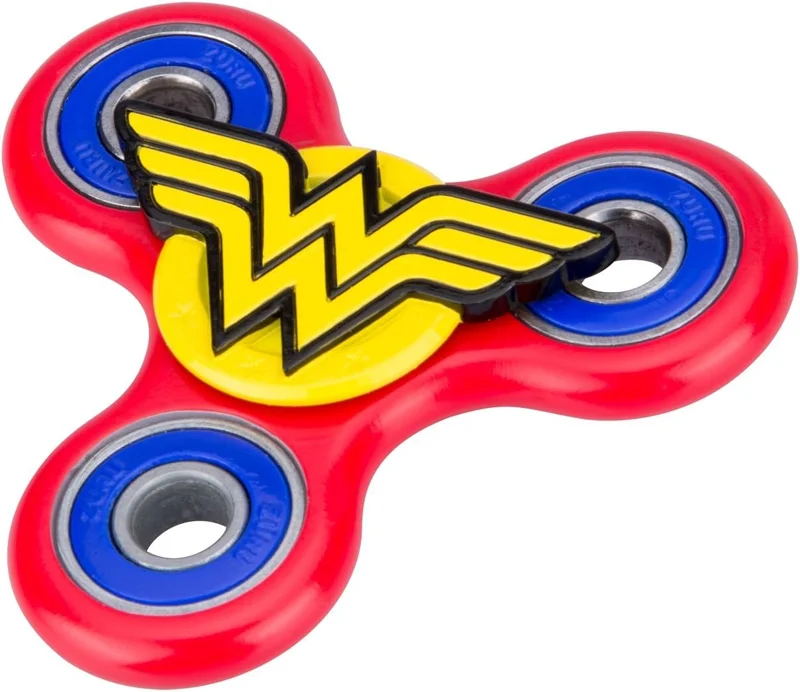
| Spinner in a classroom | Young children with ADHD | Poorer attention in the tested context | Graziano et al. |
| Spinner with explicit rules | Three second-graders with ADHD | Better on-task behaviour; not proof of improved learning | Aspiranti & Hulac |
| Stress ball during cataract surgery | 66 surgery patients | Lower reported pain/anxiety; not an everyday retail-product trial | Yeniğün & Demir Korkmaz |
| Mixed classroom devices | Ten studies, 509 participants | Pooled effect close to zero; half the studies tested stability balls | Schoenen et al., abstract |
What does it mean for a fidget toy to work?
Look for the tool, task and population
Separate movement research from toy research
Use a small personal comparison
Relevant research and sources
The Effect of Stress Ball on Anxiety and Pain Levels in Angiography: A Randomized Controlled Trial ↗
The stress-ball group had lower post-procedure anxiety and a smaller increase in pain scores.
The limit: A short medical-procedure study does not establish benefits for everyday anxiety, ADHD or a particular retail product.
Using Fidget Spinners and Stress Balls Do Not Impact College Introductory Psychology Test Scores ↗
Access scope: publisher abstract checked 2 November 2026. It describes three minutes of use before a test, not use during study or the test itself.
The groups did not differ significantly in test scores.
The limit: Brief pre-test use differs from using a tool during studying. A nonsignificant finding does not prove exact equivalence, and this single study is not decisive.
Hyperactivity in ADHD: Impairing Deficit or Compensatory Behavior? ↗
More movement predicted better working-memory performance in the ADHD group, but not normalized performance. Movement did not predict attention changes.
The limit: An association in a small all-boy sample, not a trial of fidget toys. It cannot establish that buying a toy improves attention.
A quantitative analysis of fidgeting in ADHD and its relation to performance and sustained attention on a cognitive task ↗
Participants moved more during correct trials; some movement patterns were associated with more consistent reaction times.
The limit: The study examined body movement, not commercial toys. Association cannot establish cause, and exclusions limit generalization to all adults with ADHD.
Putting a negative spin on it: Using a fidget spinner can impair memory for a video lecture ↗
Access scope: publisher bibliographic record checked 2 November 2026. The existing summary has not received a new full-text verification.
Spinner use was associated with more attentional lapses and poorer memory for video content.
The limit: Specific learning conditions; this does not test every fidget or establish effects for everyone with ADHD.
Tools or Toys? Fidget Spinners, Bouncy Bands and Academic Performance ↗
Spinners and bouncy bands had overall negative performance effects. An exploratory analysis suggested a possible mathematics benefit from bands for children with greater inattention.
The limit: The subgroup result is exploratory, not a universal recommendation. Parent-reported symptoms do not equal clinical diagnosis.
The Effects of Stress Ball Practice on Patient Anxiety, Pain and Vital Signs During Cataract Surgery: A Randomized Controlled Trial ↗
The stress-ball group reported lower pain and anxiety; several vital-sign measures were lower, but oxygen saturation did not differ significantly.
The limit: A single clinical procedure; it does not demonstrate benefits for exams, chronic anxiety or a named retail product.
A systematic review of sensory processing interventions for children with autism spectrum disorders ↗
Some small sensory-integration trials were positive; single-sensory strategies had few positive findings.
The limit: Clinic-based occupational therapy and individual sensory strategies are different interventions. Neither can be used as proof that a commercial fidget toy works.
Systematic review of sensory-based interventions for children and youth (2015–2024) ↗
Access scope: full-text record linked. A complete verification of the review methods and included studies is not recorded for this summary.
Results differed by strategy and participation goal. The review did not support a general claim that tactile fidgets improve attention.
The limit: Mixed interventions, variable outcomes and small studies constrain interpretation. Evidence for deep-pressure or caregiver interventions cannot be transferred to squeeze toys.
What does doodling do? ↗
The shading group monitored the message more accurately and recalled more information on a surprise memory test.
The limit: Structured shading during an auditory task differs from free drawing, reading or using a commercial fidget. It does not establish a universal memory benefit.
A Meta-Analysis of Fidget Devices as Academic and Behavioral Interventions ↗
Access scope: published abstract. Full-text review methods were not independently assessed for this summary.
The pooled effect was close to zero (Hedges’ g = -0.014), with substantial differences between individual study effects.
The limit: The pooled result combines different devices and outcomes. It does not rank retail toys or establish a benefit for an individual student. This summary is based on the published abstract.
These studies do not test or endorse the commercial products shown on this page.
Common questions
Does mixed evidence mean nobody benefits?+
No. It means the available results do not support a universal promise. Individual preference and measured task performance should be considered separately.
Do more expensive fidgets work better?+
Price can reflect materials and construction. It does not establish better attention, lower anxiety or a clinical benefit.
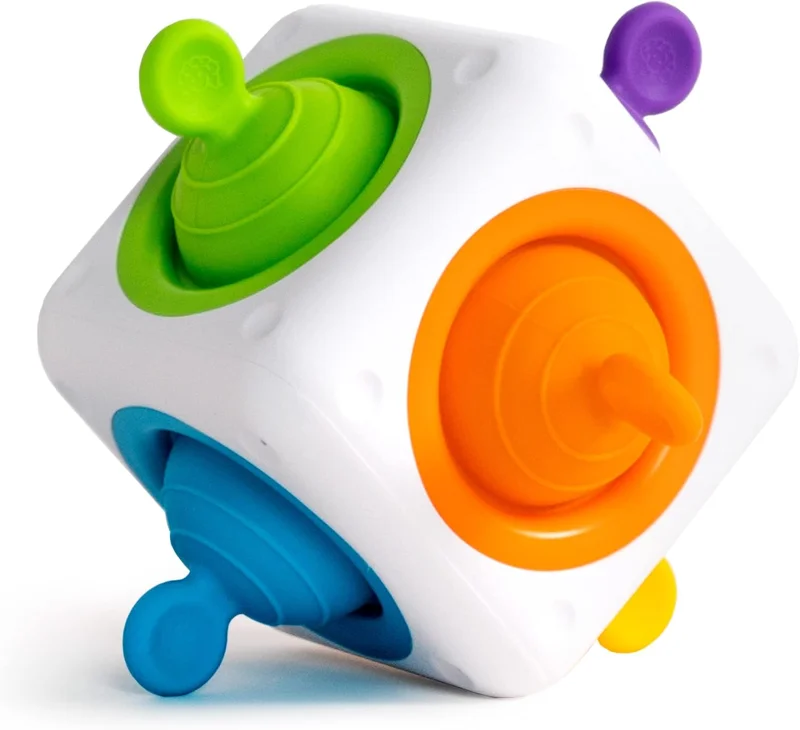
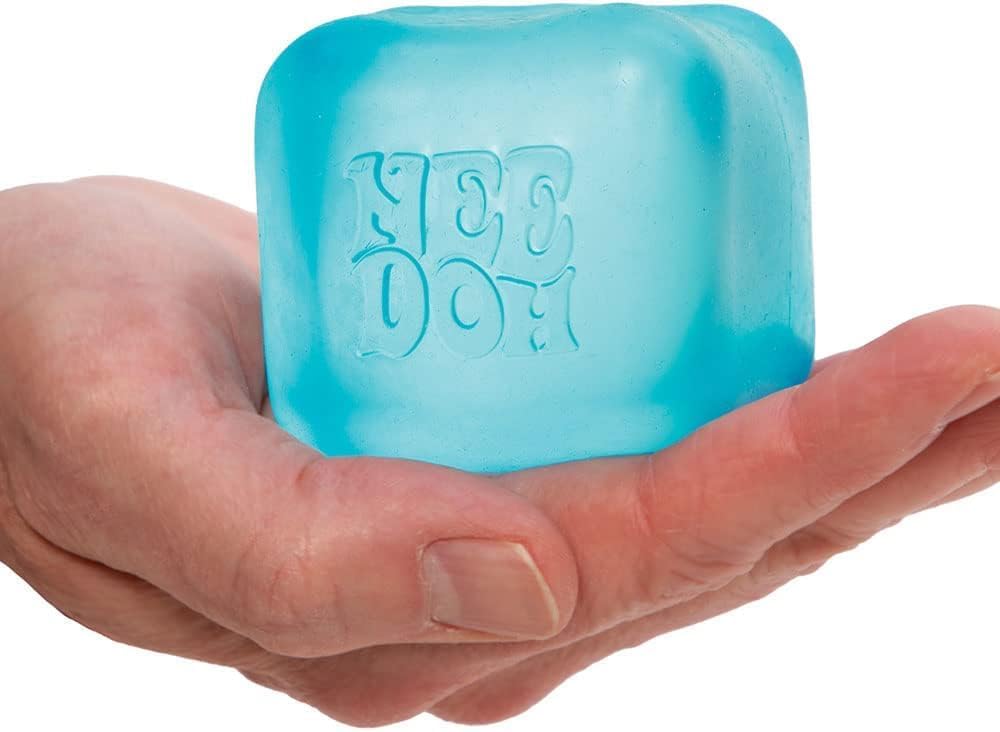
See the types mentioned here
These examples illustrate the movements. They are not a recommendation that any product delivers a medical or learning benefit.
Continue with your next decision
Turn a general claim into a small practical trial.
Decide what would count as helpful
Choose an observable outcome before trying a toy. For a reading task, compare how often you lose your place. For listening, check what you can recall afterwards. Use the trial worksheet to record comfort separately from task performance.