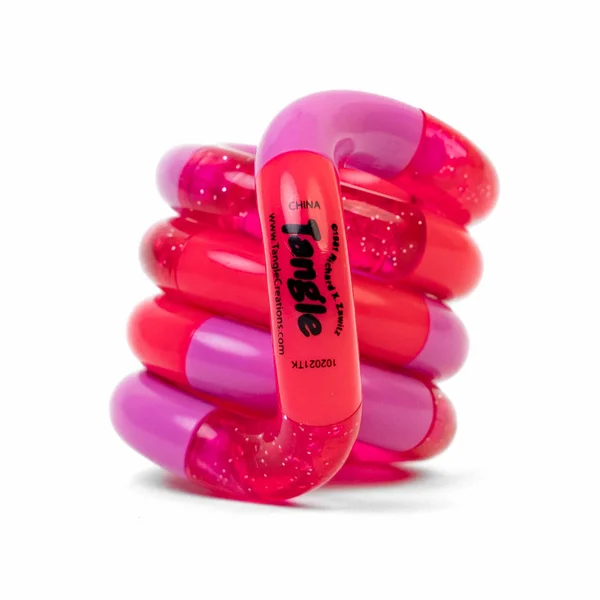
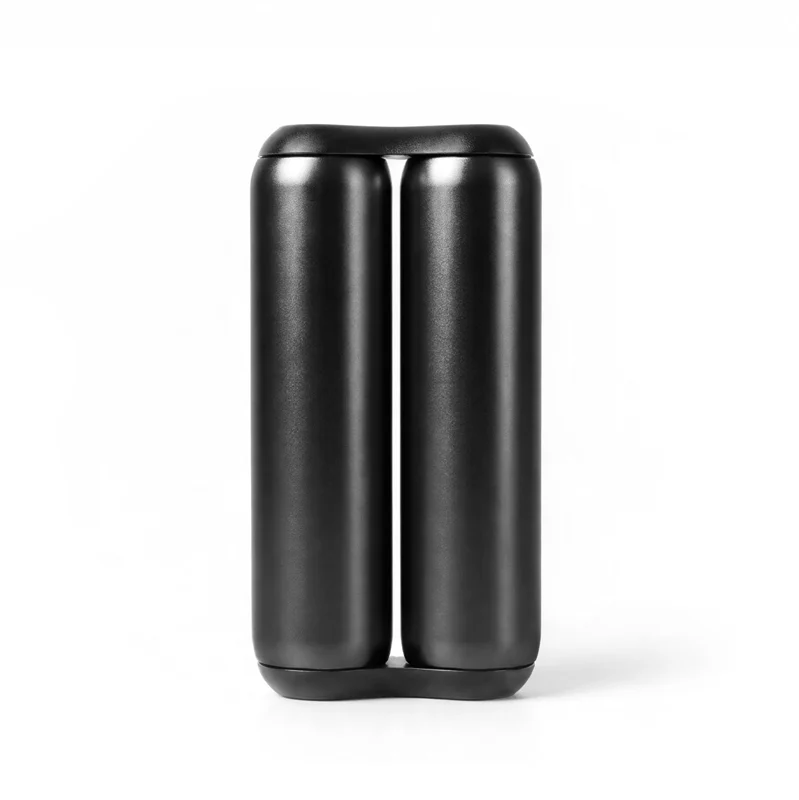
Think about sound, dropped pieces, cleaning and whether one hand needs to remain free. Keep the object accessible without loose parts. Putty and filled toys need particular care around seats, clothing and bags.
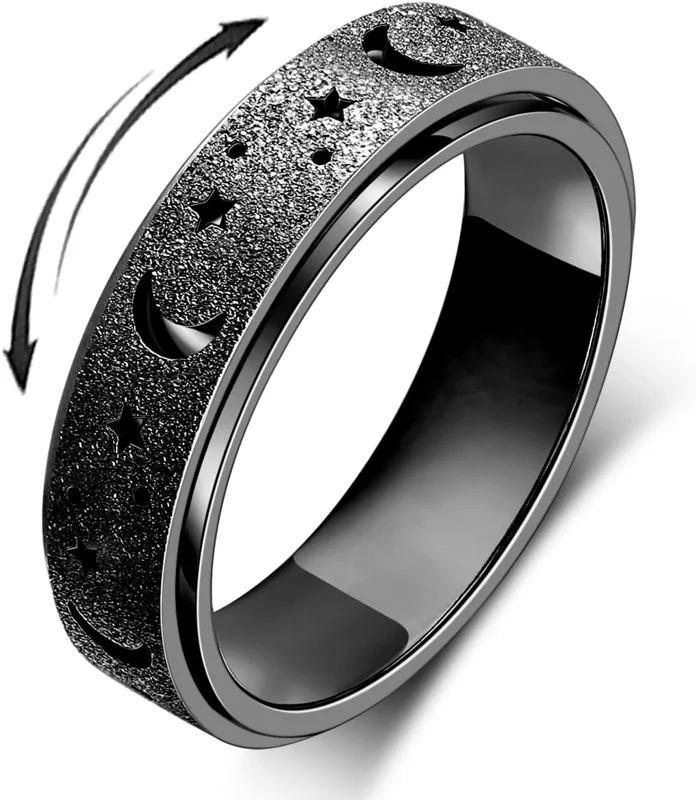
Example: OreilleStar Moon Star Spinner Ring. Shown to illustrate the topic.On this page +
By Fidget-Tech · Published 26 October 2026 · Educational guide
What makes a fidget practical for travel?
Think through where you will actually use the object: standing on a platform, sitting beside another passenger or waiting with luggage. One-handed use can matter when the other hand holds a bag or rail. A small size helps with carrying but can make an object easy to drop into a seat gap. Avoid loose pieces and keep the tool in a secure, accessible pocket or pouch. Check the exact weight and dimensions rather than relying on a product image. A large squishy or heavy roller may be enjoyable at home while being inconvenient for the trip.
Keep sound and movement within your space
Shared transport often brings other people close to the tool. Test repeated clicks, pops and contact with an armrest before deciding something is quiet enough. A spinner or folding cube may need room that a crowded seat does not provide. Do not balance small parts on a tray or put an object where it can roll into the aisle. If you are driving or doing another task that requires full control, leave the handheld tool put away. A fidget should fit the activity; it should not create a second activity that competes with safe movement or attention.
Plan for mess, pressure and cleaning
Filled squeeze toys can be pressed by other items in a bag. Putty needs a closed container and care around seat fabric, clothing and hair. A fabric-covered object may be harder to clean on the go than a simple surface, depending on the maker’s instructions. Inspect the item before packing and do not travel with one that is already leaking or torn. Keep it separate from food when appropriate, and avoid cleaning methods that the product does not allow. Temperature and luggage conditions can vary, so follow the exact storage guidance rather than assuming every toy tolerates the same conditions.
Pack one useful option and a backup plan
A journey does not require a large kit. One suitable object is easier to carry, find and check than several loose tools. Your backup can be a comfortable hand movement, an appropriate break or simply choosing not to use a fidget for that part of the journey. For children, keep the exact product warnings and supervision needs in mind even when the trip is busy. Check transport or venue restrictions when an item could be treated as a liquid, gel or unusual object. General travel guidance cannot guarantee that a particular product will be accepted by every operator.
Common questions
Can I take putty on a flight?+
Rules depend on the product, airport and operator. Check their current guidance before travel rather than assuming every putty or gel is treated alike.
What is easiest to carry?+
Look for one secure piece, comfortable one-handed use and clear cleaning instructions. Check actual dimensions and avoid anything likely to roll away or leak.
PUT THE GUIDE INTO CONTEXT
See the types mentioned here
These examples illustrate the movements. They are not a recommendation that any product delivers a medical or learning benefit.
A keyring can carry a clicker, chain, small slider or textured object. Choose the movement first, then check attachment strength, snagging and whether keys add unwanted sound or weight. Keep an alternative available if the tool is stored away. A keychain label does not override small-parts warnings, transport rules or workplace restrictions. Compare clickers and sliders by mechanism.
Plan where the object goes when you stop
Check whether you can put it away without setting loose parts on a tray or seat. If you need to carry it attached to keys, consider the weight and sound of the whole keyring. Check applicable transport rules for the exact item.