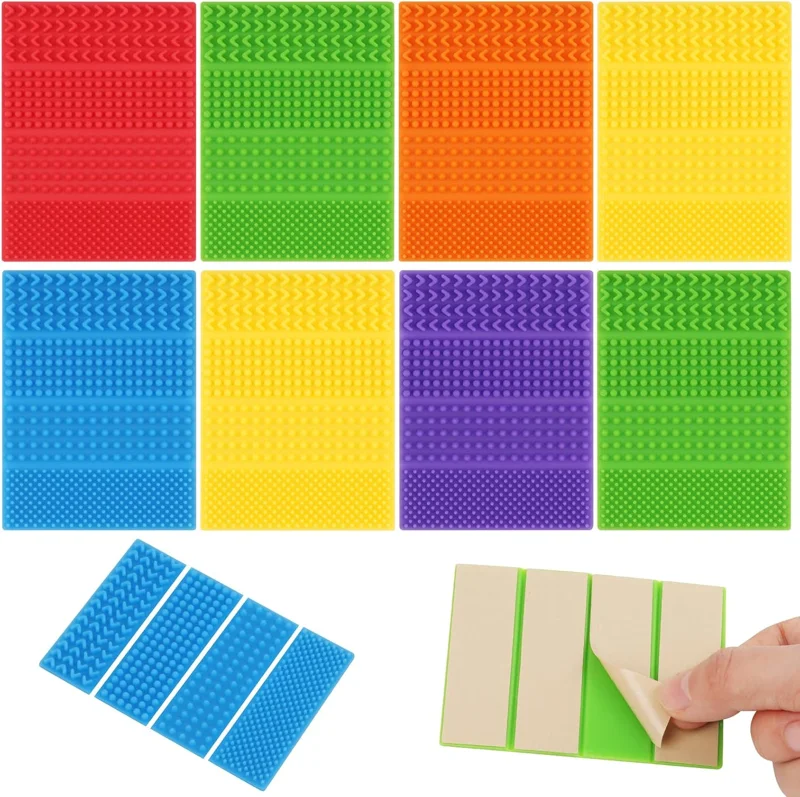
On this page +
What do ADHD studies test: movement or toys?
Read the conflicting classroom findings
Allow movement without assuming a product effect
Keep the trial specific and optional
Relevant research and sources
To Fidget or Not to Fidget: classroom evaluation of fidget spinners ↗
Spinner use was associated with poorer attention.
The limit: A young age group and specific classroom treatment context; not every fidget or use case was tested.
Using Fidget Spinners to Improve On-Task Classroom Behavior ↗
On-task behavior improved following rules and spinner introduction.
The limit: A very small sample; on-task behavior does not itself demonstrate improved learning.
Hyperactivity in ADHD: Impairing Deficit or Compensatory Behavior? ↗
More movement predicted better working-memory performance in the ADHD group, but not normalized performance. Movement did not predict attention changes.
The limit: An association in a small all-boy sample, not a trial of fidget toys. It cannot establish that buying a toy improves attention.
A quantitative analysis of fidgeting in ADHD and its relation to performance and sustained attention on a cognitive task ↗
Participants moved more during correct trials; some movement patterns were associated with more consistent reaction times.
The limit: The study examined body movement, not commercial toys. Association cannot establish cause, and exclusions limit generalization to all adults with ADHD.
Tools or Toys? Fidget Spinners, Bouncy Bands and Academic Performance ↗
Spinners and bouncy bands had overall negative performance effects. An exploratory analysis suggested a possible mathematics benefit from bands for children with greater inattention.
The limit: The subgroup result is exploratory, not a universal recommendation. Parent-reported symptoms do not equal clinical diagnosis.
A Meta-Analysis of Fidget Devices as Academic and Behavioral Interventions ↗
Access scope: published abstract. Full-text review methods were not independently assessed for this summary.
The pooled effect was close to zero (Hedges’ g = -0.014), with substantial differences between individual study effects.
The limit: The pooled result combines different devices and outcomes. It does not rank retail toys or establish a benefit for an individual student. This summary is based on the published abstract.
These studies do not test or endorse the commercial products shown on this page.
Common questions
Which fidget is best for ADHD?+
There is no proven universal winner. Match the movement to the user and task, then check the result.
Does being still mean a fidget is helping?+
Not necessarily. Stillness, comfort, on-task behavior and learning are separate outcomes.
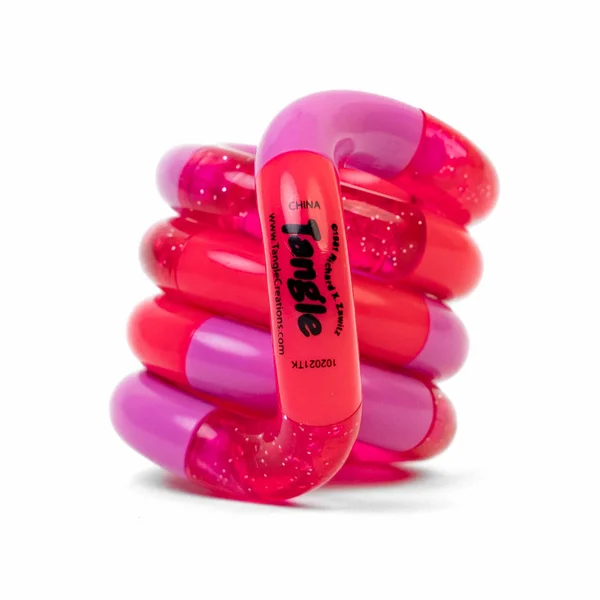
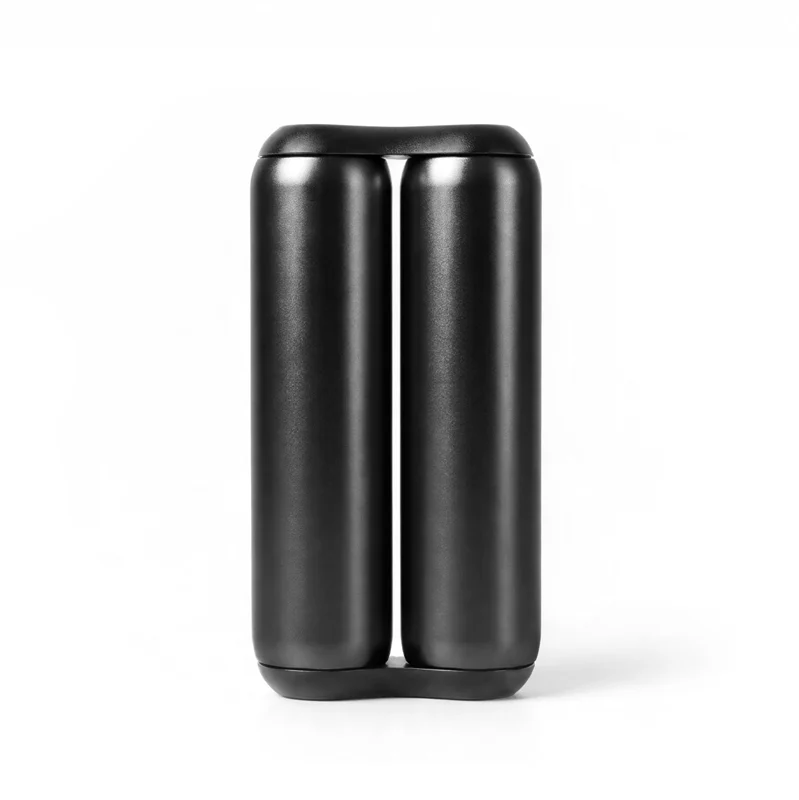
See the types mentioned here
These examples illustrate the movements. They are not a recommendation that any product delivers a medical or learning benefit.
Continue with your next decision
Separate movement evidence from product claims.
Choose a task and track the result
Start with a task you already do, such as listening to a short recording. Record what you could recall afterwards and whether handling the toy interrupted you. The research library distinguishes attention measures from task completion.