On this page +
Describe the input you want
| Attribute | Wanted input | Unwanted input to check |
|---|---|---|
| Texture | Smooth, ridged or fabric-like | Rough contact that becomes uncomfortable |
| Pressure | A gentle or firmer squeeze | Resistance that requires uncomfortable force |
| Movement | Continuous rolling, twisting or a fixed rubbing surface | Watching or resetting that competes with the task |
| Other input | Sound, scent and temperature you enjoy | Clicks, fragrance or cold surfaces you dislike |
Which movement and texture do you prefer?
Include unwanted input in the decision
Respect the person’s own account
Expect context to change the answer
Relevant research and sources
People should be allowed to do what they like: Autistic adults’ views and experiences of stimming ↗
Participants described stimming as a way to regulate or communicate intense emotions and thoughts, and described difficulties with social acceptance.
The limit: Accounts of lived experience are not a product-efficacy trial or a reason to suppress harmless movement. Preferences cannot be inferred from a diagnosis.
A systematic review of sensory processing interventions for children with autism spectrum disorders ↗
Some small sensory-integration trials were positive; single-sensory strategies had few positive findings.
The limit: Clinic-based occupational therapy and individual sensory strategies are different interventions. Neither can be used as proof that a commercial fidget toy works.
Systematic review of sensory-based interventions for children and youth (2015–2024) ↗
Access scope: full-text record linked. A complete verification of the review methods and included studies is not recorded for this summary.
Results differed by strategy and participation goal. The review did not support a general claim that tactile fidgets improve attention.
The limit: Mixed interventions, variable outcomes and small studies constrain interpretation. Evidence for deep-pressure or caregiver interventions cannot be transferred to squeeze toys.
These studies do not test or endorse the commercial products shown on this page.
Common questions
Is a sensory toy the same as therapy?+
No. A retail toy and a structured clinical intervention are different things. The word sensory does not establish a therapeutic effect.
Can preferences change?+
Yes. You can like different movements in different settings or decide that an object is no longer comfortable.
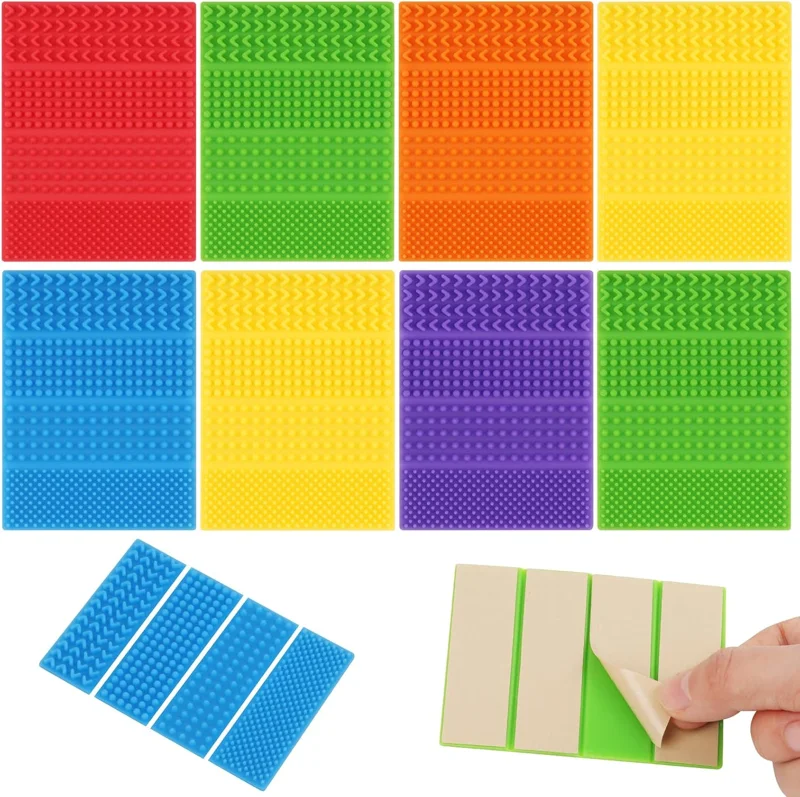
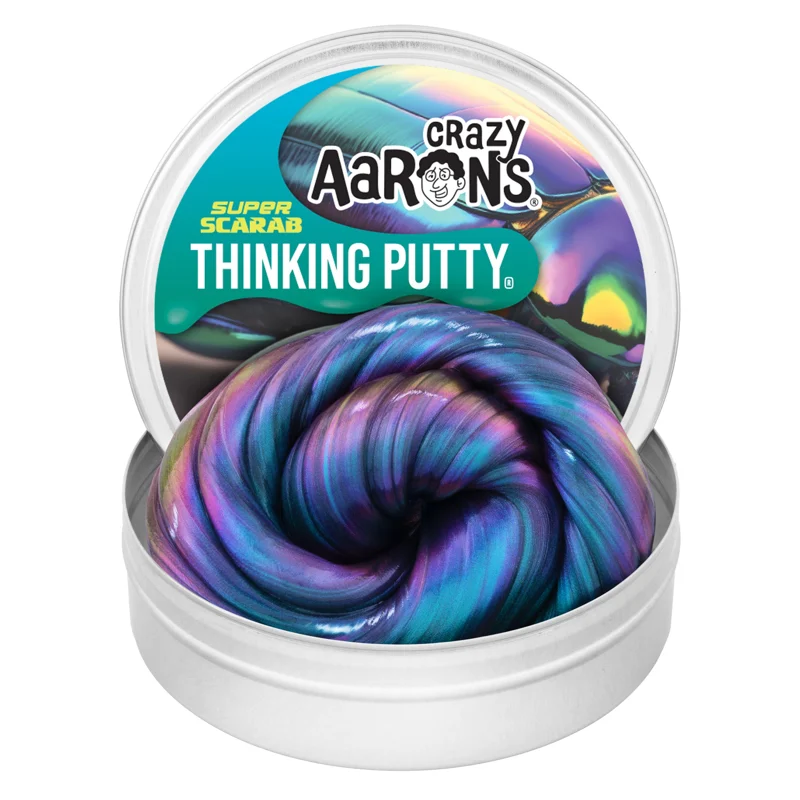
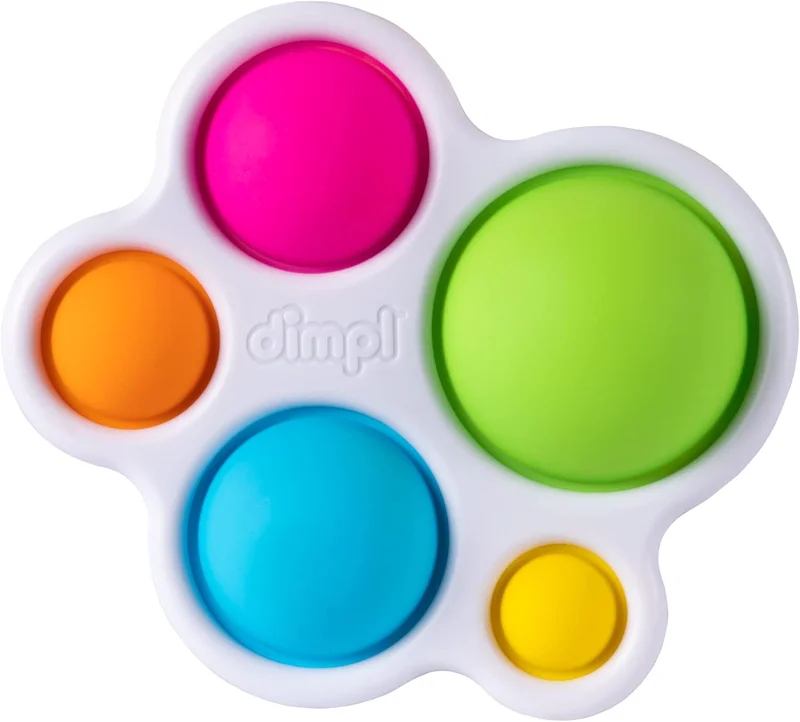
See the types mentioned here
These examples illustrate the movements. They are not a recommendation that any product delivers a medical or learning benefit.
Continue with your next decision
Check how that movement sounds in a shared room.
Buying for someone else, including autistic users
Ask what movement the person enjoys, which sensations they avoid and where they want to use it. Offer a choice rather than selecting by diagnosis. Stimming can involve repetitive movements without a purchased object; a product is one optional tool, not a requirement or a reason to suppress a harmless preference. If choosing a gift, start with these questions and the buying checklist.
Compare one sensation at a time
Keep the setting similar and change one feature, such as texture or resistance. Give the person using the object a choice and a way to stop. Use their preference to narrow the type guides.