Compare fidget toy types and tradeoffs
Category guidance, not laboratory measurements. The exact product always matters.
Select a type to highlight it. All alternatives remain visible so you can compare.
| Type | Movement | Sound | What to check |
|---|---|---|---|
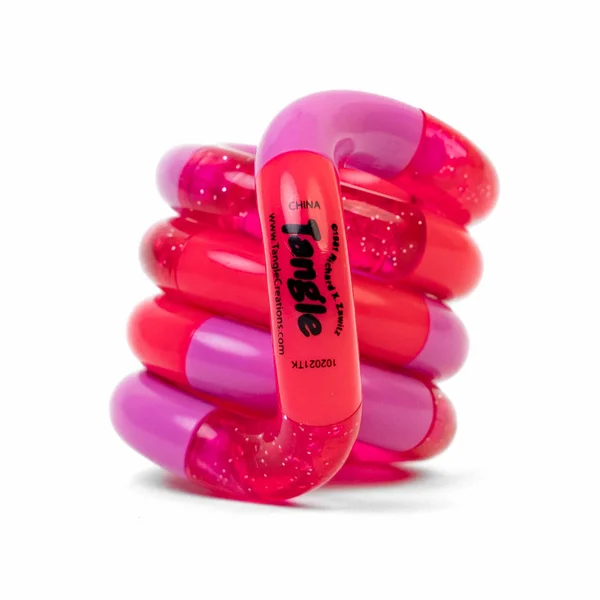 Tangles & twist toys | Twist | Usually quiet | Check joints for pinching and loose sections. |
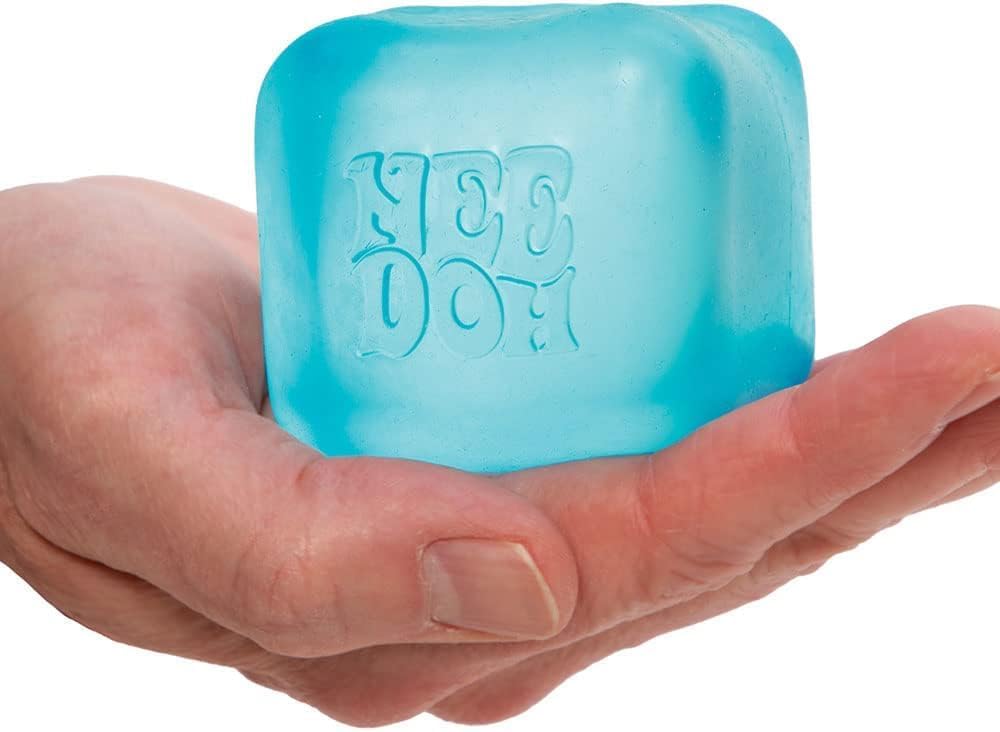 Stress balls | Squeeze | Usually quiet | Check filling, seams and latex information. Discard leaking balls. |
 Putty | Stretch | Usually quiet | Can stick to fabrics and hair. Keep away from mouths and pets. |
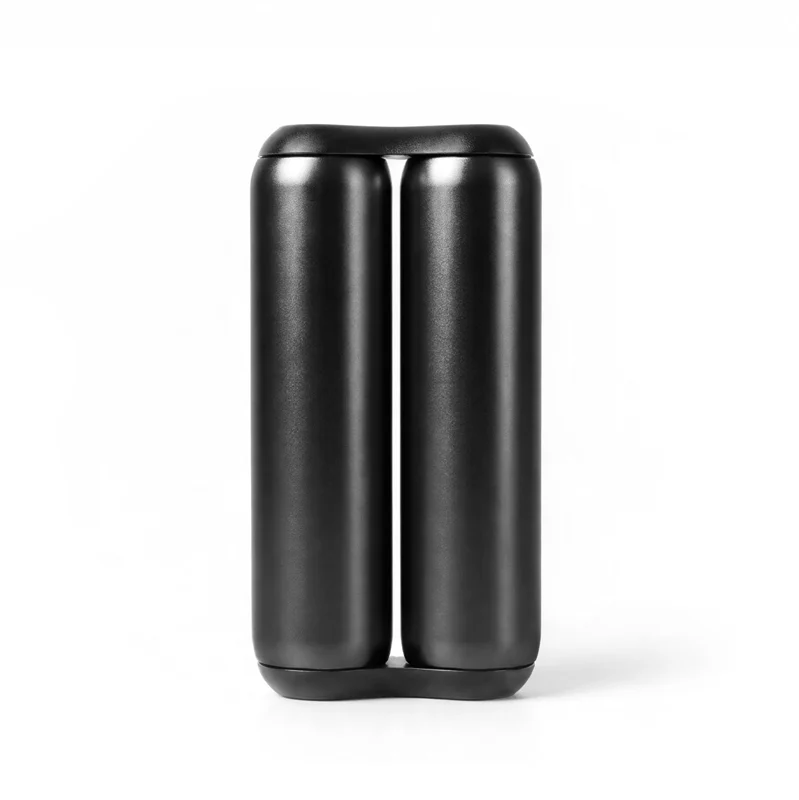 Hand rollers | Roll | Usually quiet | Check weight, pinch points and the exact product age label. |
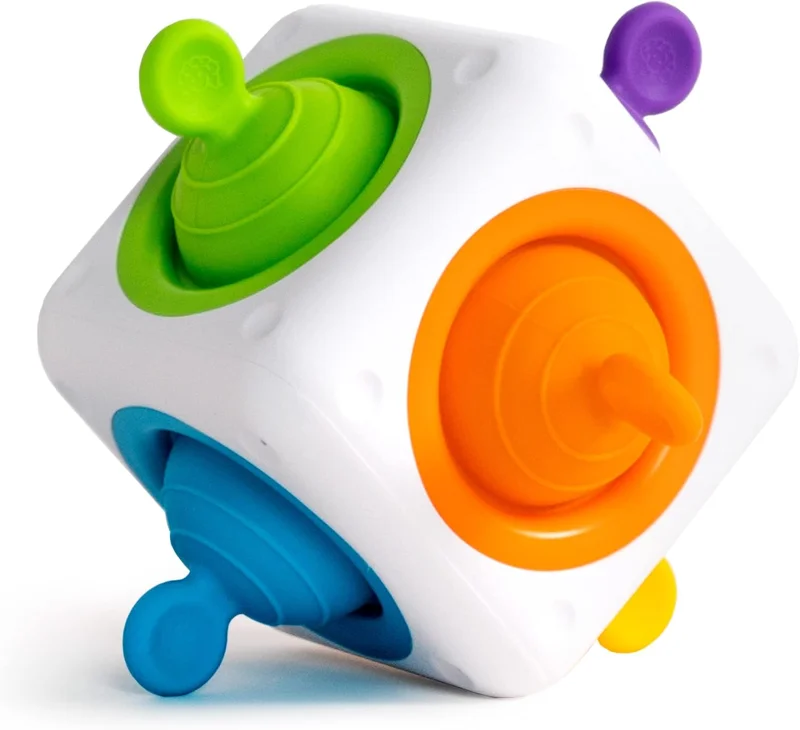 Fidget cubes | Click | Varies by side | Some controls click loudly. Small parts can detach on poorly made versions. |
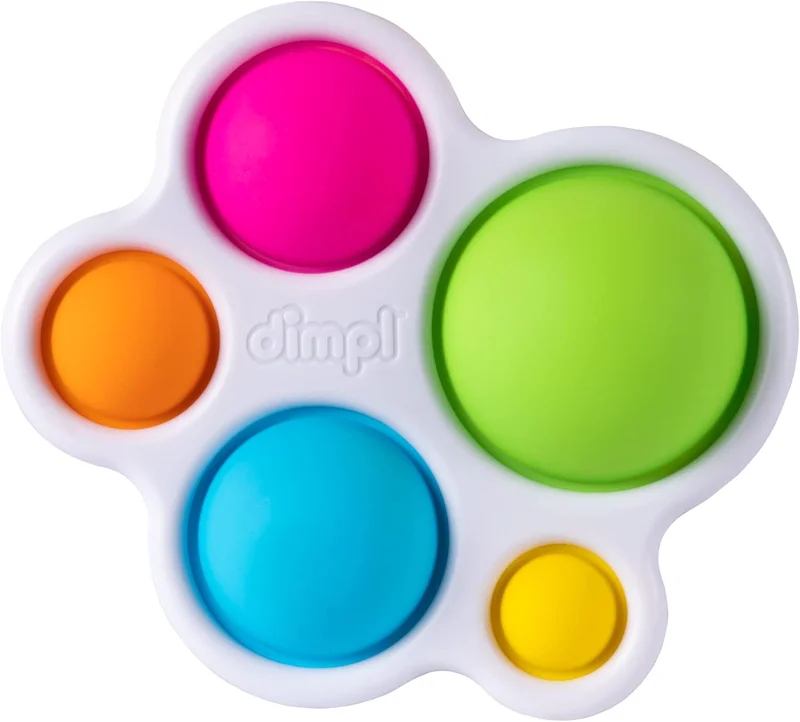 Pop toys | Press | Soft pops | Inspect for tears and check the manufacturer’s age label. |
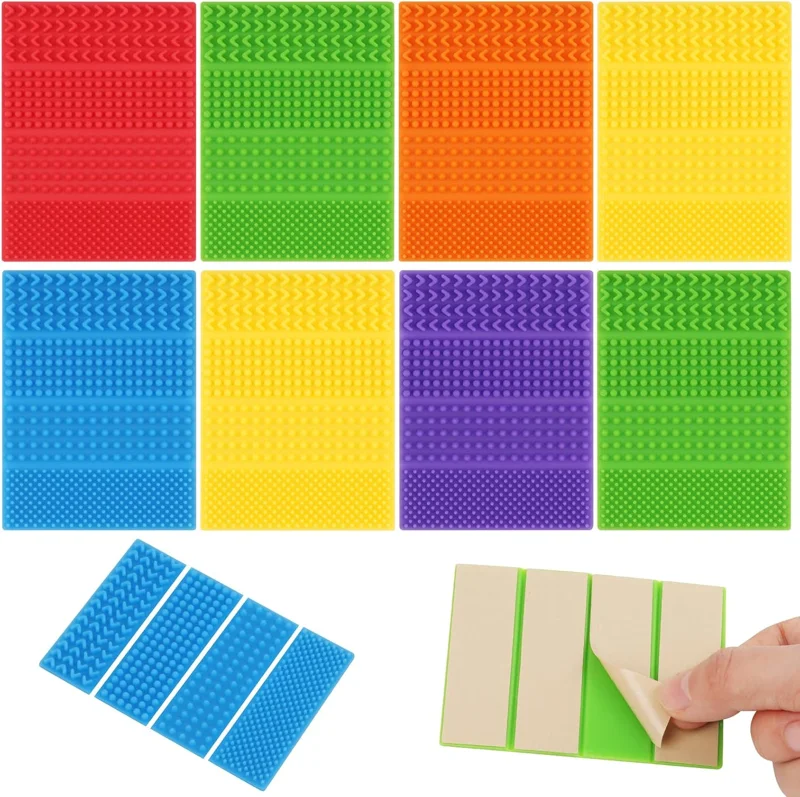 Textured tools | Rub | Usually quiet | Adhesives may damage surfaces; rough textures can irritate skin. |
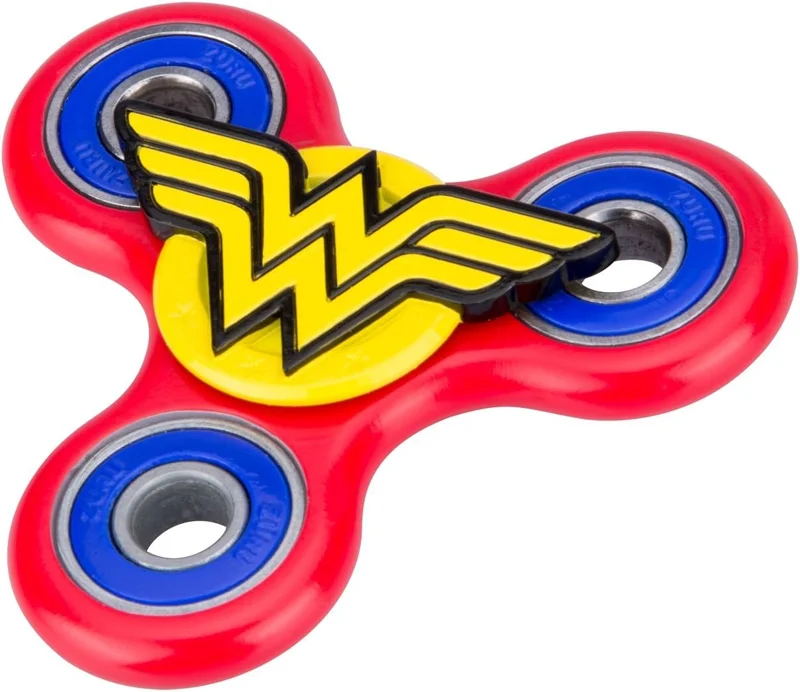 Spinners | Spin | Varies | Inspect bearings and removable caps; keep away from mouths. |
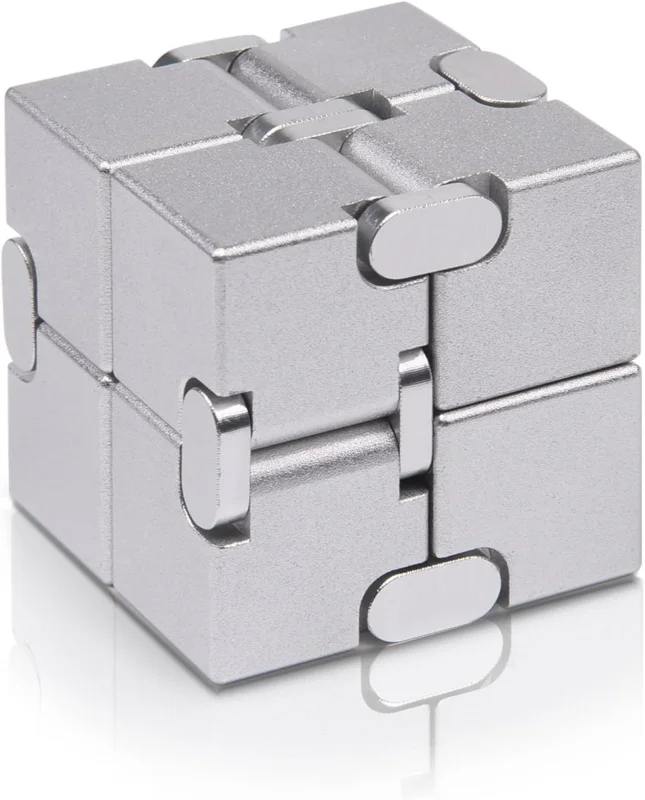 Infinity cubes | Fold | Mechanical taps | Check hinge gaps, pinch points and loose pieces. |
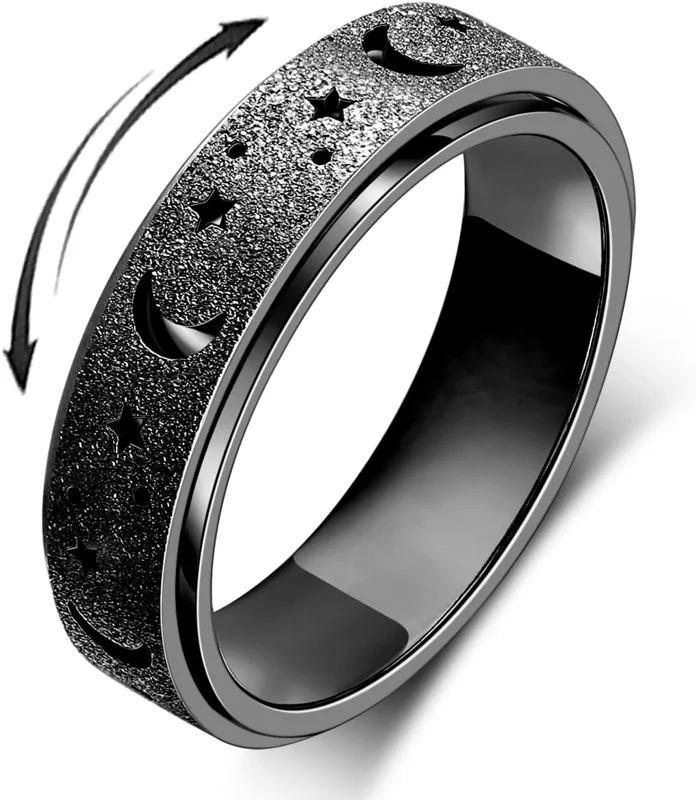 Fidget rings | Rotate | Usually quiet | Fit matters. Remove if it catches, restricts circulation or irritates skin. |
| Magnetic fidgets | Connect | Magnetic snaps | Keep away from anyone who mouths objects. Inspect for damage and inaccessible or missing magnets. |
| Fidget sliders | Slide | Varies by mechanism | Compare the path of travel and feedback first. Then check the exact construction, separable pieces, dimensions and sound in your setting. |
| Worry stones and thumb stones | Rub | Usually quiet | Start with the thumb surface, edge finish and hand fit. A static rubbing object differs from a rotating ring or a slider with moving parts. |
| Fidget clickers and switch toys | Click | Varies by switch | Choose the action and switch feedback, then check audible sound, compatible parts and removable components. Tactile feedback does not automatically mean a loud click. |
“Usually quiet” means a practical starting point. It is not a measured sound rating or a promise that every model will suit a shared space.
Common comparisons: what actually changes?
A fidget cube offers several controls; an infinity cube repeats a folding sequence. A stress ball is squeezed and rebounds; putty is kneaded and reshaped. A slider travels between surfaces or positions; a spinner rotates around a bearing. A worry stone is held and rubbed; a ring is worn and needs the right fit. Compare these actions before brands or materials.
Compare for a single task
Pick one setting, then compare the action, likely interruptions and exact model checks. If you need to type, check whether the motion uses a hand you need. If you need to listen, include the sound of the reset and contact with the desk.