Fidget toys are objects designed for repeated hand movements such as squeezing, twisting, rubbing or rolling. They can be enjoyable or comfortable, but being marketed for focus does not prove that a particular toy improves attention.
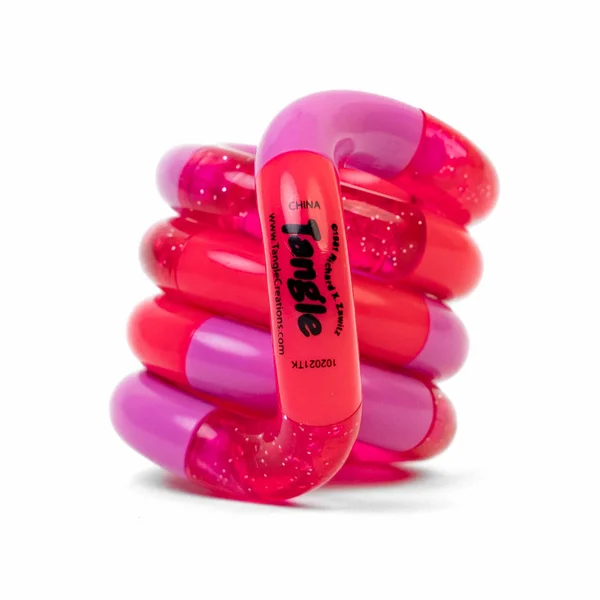
Example: Tangle Jr. Classic / Neon. Shown to illustrate the topic.On this page +
By Fidget-Tech · Published 26 October 2026 · Educational guide
What are the main types of fidget movement?
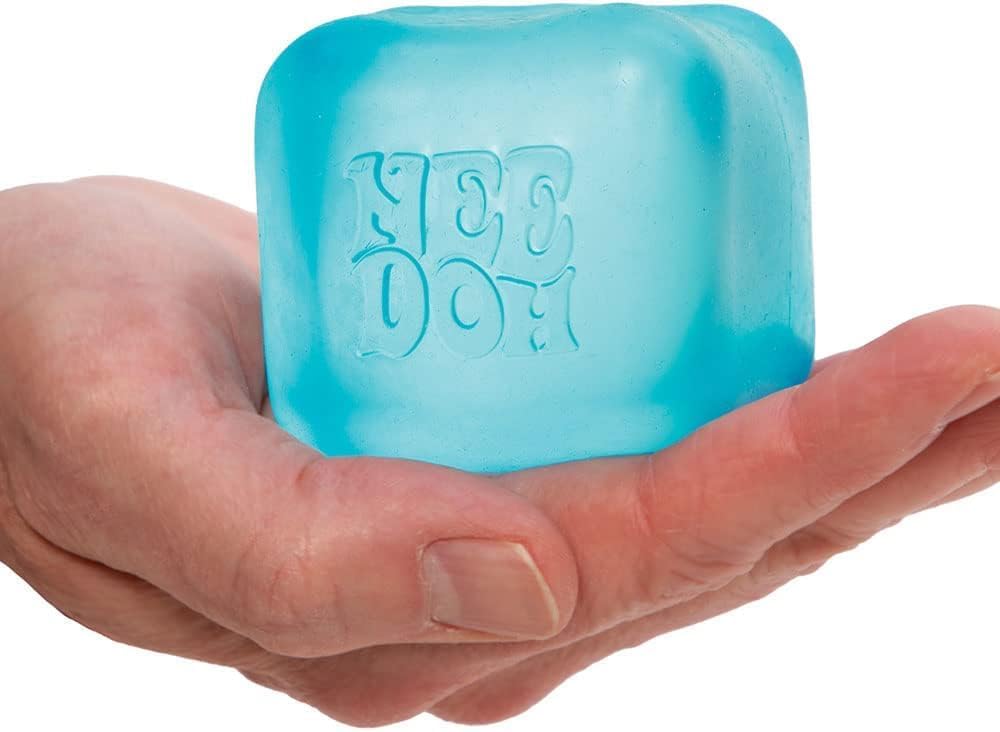
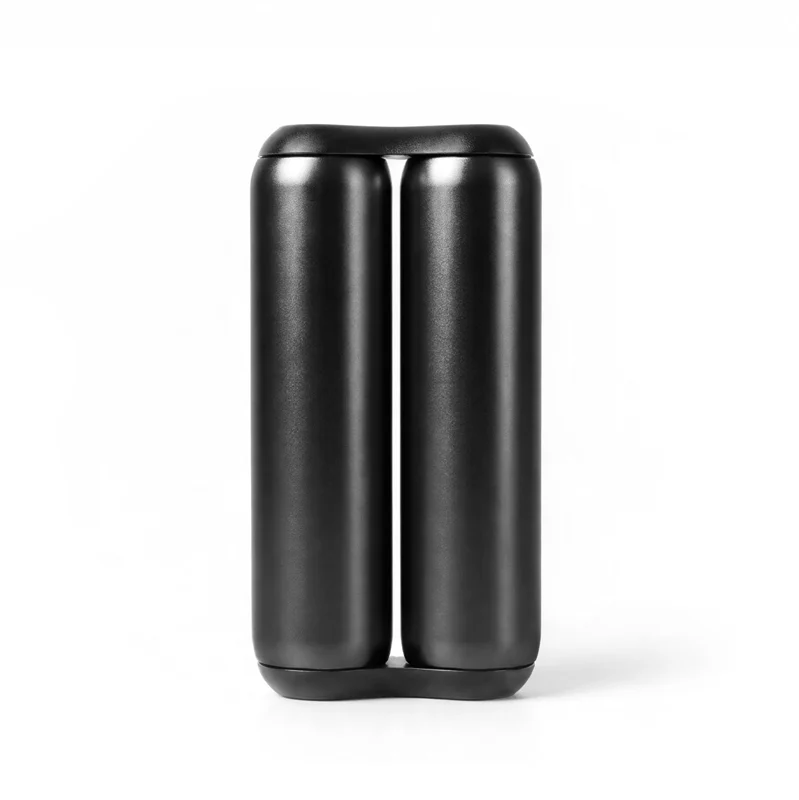
Fidget toys cover several different movements. A stress ball offers resistance when squeezed. A tangle changes shape through connected joints. A roller moves continuously in the hand, while a textured surface offers something to rub. A spinner adds rotation and often a visual element. These differences matter more than whether a package uses the word sensory. Start by noticing what you already do comfortably: turn a ring, rub a seam, fold paper or move your fingers. You are choosing an experience, not collecting every category. Our type library shows the main movements side by side.
Toy, sensory preference and treatment are different ideas
An object can be pleasant without improving concentration or treating a condition. It can also support a personal routine without being necessary for everyone in the same situation. Keep those distinctions clear when reading product descriptions. In research on autistic adults’ experiences of stimming, participants described their own reasons for repeated movement. That does not make every commercial sensory product an effective treatment. A product label such as focus toy is a marketing description unless a suitable independent study supports the exact claim being made.
Try the movement in the place you need it
A tool used while watching television has different requirements from one used in a silent classroom. During listening, ask whether you can move it without looking down. During reading, notice whether it steals your eyes from the page. During typing, check whether it leaves a hand unavailable. Also consider the people nearby: a quiet movement can become noisy when the object touches a desk. Start with one low-cost or borrowed option, test the setting and keep it only if the experience works for you. Our trial guide provides a simple comparison.
Read the exact product information
Category guidance cannot tell you whether an individual toy is safe or suitable. Check dimensions, age labels, loose components, fillings and cleaning instructions before buying. A small object may suit an adult pocket while being unsuitable around a child who mouths objects. A cube may have one quiet side and several clicking sides. Colours, pack sizes and materials can differ between marketplace listings that share a product name. Use the manufacturer’s information where available and check the selected variant before paying. A higher price does not demonstrate a stronger effect on focus or wellbeing.
2019 · Qualitative interviews and focus groups with thematic analysis · Autistic adults discussing their experiences of stimming
Participants described stimming as a way to regulate or communicate intense emotions and thoughts, and described difficulties with social acceptance.
The limit: Accounts of lived experience are not a product-efficacy trial or a reason to suppress harmless movement. Preferences cannot be inferred from a diagnosis.
These studies do not test or endorse the commercial products shown on this page.
Common questions
Are fidget toys only for children?+
No. Choose according to the user, movement and setting. Adults can enjoy tactile objects without needing a diagnosis or a performance goal.
Do all fidgets need to be bought?+
No. Comfortable finger movements, a clothing seam or a suitable movement break may meet your preference without a purchase.
PUT THE GUIDE INTO CONTEXT
See the types mentioned here
These examples illustrate the movements. They are not a recommendation that any product delivers a medical or learning benefit.
Think of the motion you want to repeat, such as squeezing, rubbing or turning. Use the type comparison to see how different objects produce that movement and what they require from your hands and attention.